
Following our look at Haneji Choshu, I have researched his political successor, Sai On (1682–1762). Let’s explore his personality, philosophy, and his remarkable achievements within the Ryukyu Kingdom.
Early Life and Youth
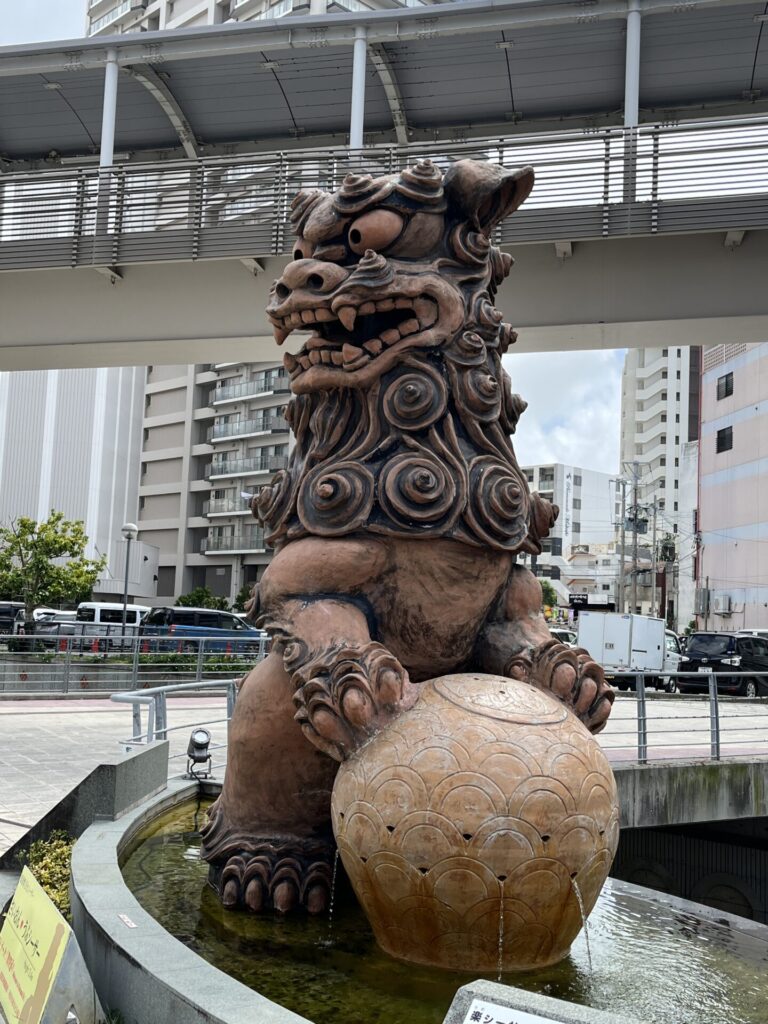
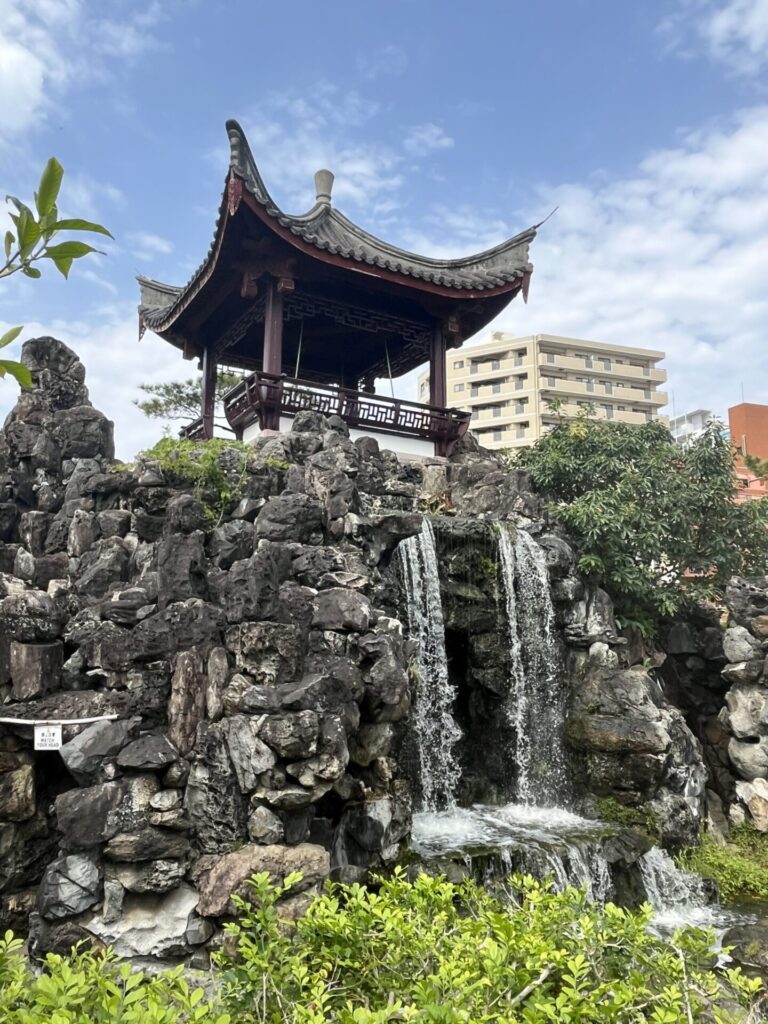
Sai On was born in 1682 in Kume Village, Naha. Kume was an enclave for descendants of Chinese immigrants. His father was a powerful figure in this community, holding the influential position of So-yaku (General Administrator).
In 17th-century Japan, the Edo Shogunate enforced a strict national isolation policy (sakoku), making it unthinkable for anyone of foreign descent to participate in government. In contrast, the Ryukyuan society of the time exhibited a remarkable international character, as seen by Sai On—a man of Chinese descent—becoming an administrator whose legacy still endures today.
In his youth, partly due to family issues, Sai On was rebellious and neglected his studies. However, around the age of 17, he had an intellectual awakening. From then on, he devoted himself to Confucian texts and other scholarly pursuits. His erudition eventually led to his appointment as a Chinese interpreter. He was truly a self-made man of great effort.
In 1708, at age 26, he was stationed in Fuzhou, China, as a local interpreter. There, he had the opportunity to study Wang Yangming philosophy (Yomeigaku). He embraced its core principle of “Practical Learning” (Jitsugaku)—the idea that knowledge is useless unless it is put into action. Alongside Confucianism, he mastered “Feng Shui” (which we would now call geography and civil engineering) before returning to Ryukyu.
In 1711, he was appointed as the tutor to Crown Prince Sho Kei. When Sho Kei ascended the throne in 1712 following the death of King Sho Eki, the 30-year-old Sai On was immediately appointed to the special post of “Kokushi” (State Preceptor), becoming a leader of the Ryukyu Kingdom.
A Legacy of Practical Achievements
In governing, Sai On discarded old superstitions like fortune-telling in favor of realistic policies based on practical learning. To implement his measures smoothly, he avoided friction with the Satsuma Domain and, like Haneji Choshu, prioritized pragmatic benefits. His political style was indeed that of Haneji’s successor. In 1728, at age 46, he was elected to the “Sanshikan”, the highest office in the government.
1. Agricultural Promotion
To prevent farmers from abandoning their land due to heavy taxation, he granted perpetual farming rights and clarified land ownership, which had previously been ambiguous. He also improved irrigation canals to increase production efficiency. His wetland rice development projects are among his greatest achievements.
He also organized farmers into associations to encourage collective labor during busy seasons and established a system of mutual responsibility to stabilize tax revenue through peer monitoring. These organizations were called “Yuimaru.” Derived from yui (to tie/bind) and maru (to take turns), it signifies “mutual aid through taking turns.” The word remains in use today in Okinawa to describe the spirit of helping one another.
2. Forestry Management
Sai On worked to protect forest resources and prevent floods through systematic forest management. He actively promoted reforestation and prohibited the wasteful use of timber.
3. Restoring Royal Finances
He strengthened the royal monopoly on specialty goods such as turmeric and brown sugar. Of course, the increase in tax revenue resulting from his agricultural reforms was the primary driver of financial reconstruction.
Resilience Against Political Rivals
Sai On’s authoritative methods, such as fixing the social status of farmers, naturally drew criticism. The most significant incident occurred in 1734, when a scholar named Heshikiya Chobin, who harbored resentment toward Sai On, sent a letter to the Satsuma officials in Naha criticizing Sai On’s administration.
However, Satsuma ignored the complaint and strongly defended Sai On. By maintaining a cooperative relationship with Satsuma—much like Haneji Choshu—Sai On ensured the stability of the Ryukyu Kingdom. This political line allowed the Sho Dynasty to maintain peaceful rule until the Meiji era in the late 19th century.
A Passion for Education
Despite his focus on practical matters, Sai On was a prolific author dedicated to improving the morality of both officials and commoners. His works include:
- Go-kyojo: An appeal for moral improvement in daily life for everyone from officials to farmers.
- Nomu-cho: A treatise on agricultural policy.
- Somayama Hosshiki: Regulations for forest management.
- Kanai Monogatari: Moral codes for family and relatives.
- Jijoden: His autobiography.
Sadly, many of these precious documents were lost during World War II.
A Long Life of 80 Years
After many years of service, Sai On attempted to retire following the death of King Sho Kei in 1752. However, the Satsuma Domain refused to let him step down. While he was relieved of the grueling duties of the Sanshikan, he retained his authority as a supreme advisor—a testament to the profound trust placed in him.
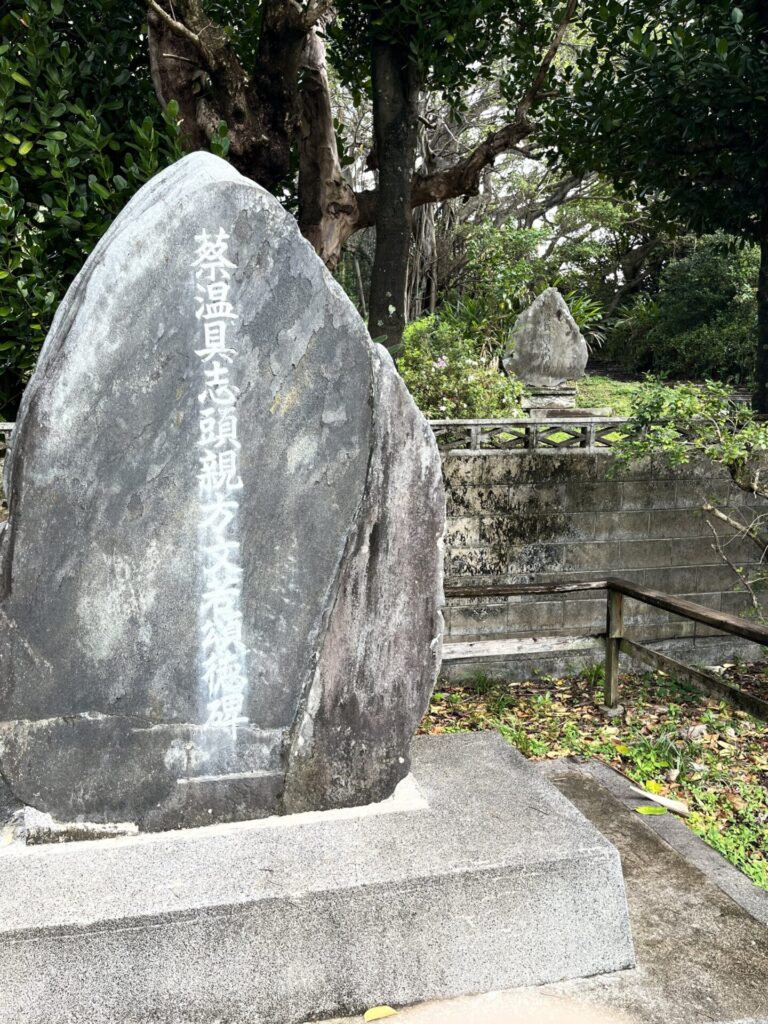
Sai On lived to the age of 80, a remarkable longevity for that era, passing away in 1762. His achievements and his Confucian respect for ancestors continue to influence Okinawan society today. Though a descendant of immigrants, he stands as arguably the greatest figure of early modern Ryukyu—a true symbol of the international flavor of old Okinawa.







Comments