Why Did the World Admire This Island ?
The Changing Landscape of Longevity in Okinawa
The season of “Urizun” has arrived once again in the streets of Naha.
For 13 years, I have been drawn to this island between February and April. As someone who has long suffered from cedar and cypress pollen allergies on the Japanese mainland, this island—free from those allergens—is my sanctuary. This year marks my 12th stay, excluding 2021 when the pandemic kept us apart. Spending two months breathing the air of Naha is more than a vacation; it is a vital ritual to reset my internal rhythm for the year.
“Urizun” is an Okinawan word referring to the season from March to April, the beautiful transition from the height of spring to early summer. It is a time when flowers are in full bloom and beaches across the islands begin to open for the season.
From the “Island of Longevity” to a Crossroads
Thirteen years ago, when I first began my long-term stays, Okinawa still proudly wore its crown as the “Island of Longevity.” At the local markets (Machigwā), I saw energetic elders with straight backs selling island vegetables. In the diners, I found Nuchigusui (medicine for life)—meals so nourishing they felt like healing for the soul.
However, over the years, I couldn’t help but notice a “shift.”
What is happening to the “Kingdom of Longevity” that the world once admired? Why has the life expectancy for men fallen below the national average?
Behind this lie the ripples of post-war history, a radical transformation in food culture, and the dilemma of “wealth vs. health” in modern society. Based on my 12 stays and an analysis of vast data, I want to share the “ongoing story” of Okinawa’s struggle to reclaim its glory.
Data: Life Expectancy in Okinawa (1950–2020)
Let’s look at the trajectory of Okinawa’s life expectancy over the last 70 years.
| Year | Men (Age) | Women (Age) | Key Context |
| 1950 | 59.40 | 65.50 | Recovery from post-war chaos |
| 1975 | 73.18 | 80.95 | Okinawan women begin ranking #1 in Japan |
| 1985 | 75.83 | 84.14 | The Peak: Both genders lead the nation |
| 2000 | 77.64 | 86.88 | The “26 Shock”: Men’s rank plummets to 26th |
| 2020 | 80.73 | 87.88 | Men: 36th, Women: 16th |
The Reality Behind the Numbers
- The “26 Shock”: In 2000, the sudden drop in men’s rankings sent shockwaves across the prefecture. This is attributed to the early “Westernization” of diet (fast food, high meat/salt intake) under post-war U.S. administration and a sedentary lifestyle due to car culture.
- The Gap: The traditional Okinawan diet of “island vegetables and tofu” is being replaced by modern habits, creating a significant health challenge.
National Average Life Expectancy in Japan (1950–2020)
Next, let’s look at the national average for Japan during the same period.
| Year | Men (Age) | Women (Age) | Key Context |
| 1950 | 59.57 | 62.97 | Nearly equal to Okinawa for men; Okinawa higher for women. |
| 1975 | 71.73 | 76.89 | Life expectancy begins to rise steadily nationwide. |
| 1985 | 74.78 | 80.48 | Japan enters the era of an 80-year lifespan for women. |
| 2000 | 77.72 | 84.60 | The Turning Point: The national average for men surpasses Okinawa’s. |
| 2020 | 81.56 | 87.71 | National average for men is nearly a full year longer than Okinawa’s. |
Insights: Comparing Okinawa with the National Average
- The Former Dominance of Okinawa: From 1950 through the late 1980s, Okinawa’s figures—especially for women—were significantly higher than the national average. In 1985, for example, Okinawan women lived nearly 4 years longer than the average Japanese woman.
- The Reversal for Men: The year 2000 marked a major shift. Since then, the national average has caught up and eventually overtook Okinawa’s male life expectancy. By 2020, the average Japanese man lived nearly a year longer than his Okinawan counterpart.
- Persistence of Longevity in Women: Okinawan women continue to maintain a high standard of longevity, remaining competitive with the national average, though the gap has narrowed considerably.
Seen in this light, while the health of Japan as a whole has improved, the growth in Okinawa’s life expectancy (particularly for men) has significantly slowed.
The following table highlights the primary causes of death and the shifting social factors that have influenced life expectancy across different eras.
| Era | Primary Causes of Death (Trends) | Background & Social Factors |
| 1950s | Pneumonia, Tuberculosis, Gastroenteritis | Public health and sanitation were still in the early stages of development. |
| 1980s | Cerebrovascular disease, Cancer (at low levels) | The “Golden Age of Longevity” (A balance of traditional diet and modern medicine). |
| 2020 | Malignant Neoplasms (Cancer), Heart Disease | Westernization of diet, a car-centric society, and high alcohol consumption. |
The Secret of the “Golden Age”
The peak of Okinawan longevity in the 1980s was sustained by traditional habits passed down for generations.
- Staples: Sweet potatoes (rich in fiber and vitamins) rather than white rice.
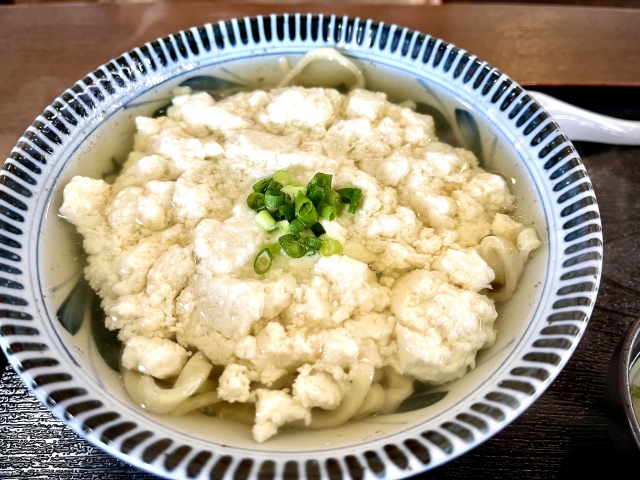
- Protein: While pork was prized (“eating everything but the squeal”), it was reserved for special occasions. Daily protein came from Shimadofu (Okinawan tofu) and seaweed.
- Spirit: The philosophy of “Kusuimun”—the belief that food is medicine—was at the heart of every home.
The Power of “Moai” — Beyond Just Diet
While the humble, nutrient-rich meals of the Golden Age were vital, Okinawa’s secret to longevity wasn’t found only on the dinner plate. It was woven into the very fabric of their community through the spirit of “Moai.”
“Moai” is a traditional Okinawan system of social and financial mutual dreaming and support. Originally, it served as a local micro-financing network, but its true value lies in the spirit of Kyojo (mutual aid). Members of a Moai meet regularly, not just to pool funds, but to share laughter, advice, and life’s burdens.
In Okinawa, you never walk alone. This deep sense of belonging and the certainty that “someone has my back” significantly reduces stress and promotes mental well-being. It turns out that social connection is just as essential to a long life as any superfood. Even today, the “Moai” spirit remains the invisible thread that sustains the island’s resilience.
This series is not just a record of one region; it is a chronicle of a challenge that holds clues for the future of global health.
Conclusion
In this chapter, we have explored the “Golden Age” of Okinawa as the “Island of Longevity” in comparison with national averages. We also examined the current reality—a reversal that began after the year 2000—and the traditional dietary habits that once formed the foundation of the island’s world-renowned health.
The following is the planned lineup for our “Okinawa: The Island of Longevity” series:
| Episode | Title |
| Vol. 1 | Why Did the World Admire This Island? |
| Vol. 2 | The “26 Shock”: The Shadow of Westernization on the Dining Table |
| Vol. 3 | Data Speaks: The Battle Against the “Inner Enemy” |
| Vol. 4 | A Scenario for Revival: How Science and IT are Leading the Way |
| Final | 2040: Returning to the Peak—Our Collective Choice |
Disclaimer This series is based on official data and personal observations for informational purposes only. It does not constitute medical advice. Please consult a healthcare professional for any medical concerns.





Comments