Part 3: The Battle Against the “Inner Enemy” as Told by Data — The Reality of Obesity and Lifestyle-Related Diseases
It has been 13 years since I began frequenting Naha. The more time I spend on this island, the more a certain “contradiction” tugs at my heart.
On the surface, there is the emerald green sea, the gentle flow of “island time,” and the optimistic resonance of the phrase Nankuru-naisa (“It’ll all work out”). Yet, just beneath this beautiful veneer, the bodies of the Okinawan people are screaming out in distress.
In the past, the enemies Okinawa faced were “visible enemies” from the outside, such as tuberculosis and parasites. Today, however, Okinawa confronts a much more relentless “inner enemy”—one born from the very lifestyle habits of its people.
When I first walked through the Naha Public Market 13 years ago, there was still a lingering scent of traditional home cooking centered on island vegetables. But year by year, the landscape has shifted. The fried foods next to convenience store registers, 24-hour steak houses, and a car-centric society that has “forgotten how to walk” are steadily eroding the vital data of the islanders.
In this installment, I will look directly at the harsh reality: the grim statistics hidden behind the “Prefecture of Longevity” billboard. This is a record of an internal struggle that Okinawa must face if it is to reclaim its former brilliance.
Specific Figures Highlighting the “Inner Enemy”
1. Obesity Rates: The Shock of Leading the Nation in Worst Statistics
Obesity is at the root of Okinawa’s health challenges.
- Male Obesity Rate (BMI 25+): Approximately 45.4% (Ranked 1st in Japan / 2016 National Health and Nutrition Survey).
- Perspective: This means nearly 1 in 2 men is obese, significantly higher than the national average of approximately 30%.
- Abnormality in Youth: In some age groups between 20 and 40, the obesity rate is over 20 percentage points higher than the national average, effectively “fast-tracking” future health risks.
2. Diabetes: A Chain of Severity
Linked to obesity, diabetes indicators are extremely grave.
- Diabetes Mortality Rate: Approximately 17–18 deaths per 100,000 people. Okinawa is a “regular” in the nation’s worst five.
- Dialysis Induction Rate: As a result of severe diabetes, the rate of people starting artificial dialysis is among the highest in Japan. This drastically shortens not just “average life expectancy” but “healthy life expectancy.”
3. Heavy Drinking: A Risky Relationship with Alcohol
While alcohol is inseparable from Okinawa’s Yuntaku (socializing) culture, its negative side is prominent.
- Alcoholic Liver Disease Mortality: Approximately 1.5 to 2 times the national average.
- Drinking Habits: The percentage of people consuming more than the “moderate” amount defined by the Ministry of Health, Labour and Welfare is at the top level nationwide for both men and women.
4. Car Society: A Culture of “Not Walking”
The decline in physical activity is worsening every other metric.
- Average Daily Steps: Okinawa has become established as one of the prefectures that walks the least in Japan.
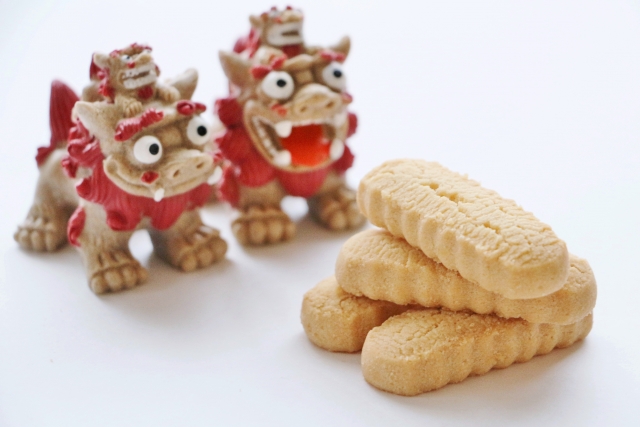
- Context: Cars are indispensable to daily life here. It is common for one household to own multiple small vehicles. Driving to a convenience store just 200 meters away is considered standard behavior.
The Striking Contrast Between Generations
I have organized the data highlighting the contrast between the “Grandparents” (born in the Meiji, Taisho, and early Showa eras) who built the “Island of Longevity,” and the “Working/Youth” generations who bore the full brunt of post-war Westernization.
| Category | Grandparents (Traditional) | Youth/Working Generation (Modern) |
| Main Dish | Fish, Tofu, boiled pork (fat removed) | Canned luncheon meat, fried chicken, steak, burgers |
| Side Dishes | Kelp, Goya, Luffa (Variety of veg) | Minimal garnishes (Vegetable deficiency) |
| Salt/Fat | Low fat, moderate salt (Dashi culture) | High fat, excessive sodium (Processed meats) |
| Beverages | Sanpin tea, water, moderate Awamori | Sugary drinks, excessive beer/Awamori |
| Activity | Walking/moving integrated into life (farming, visiting neighbors) | Complete car dependency; even for 200m trips |
The Paradox of Life Expectancy
While the elderly are famous for their longevity, they are specifically characterized by a long “functional period.”
- Elderly Vitals: Okinawans now in their 80s and 90s built robust bodies in their youth through low-calorie, high-mineral traditional diets. Consequently, their “independence rate” (the ratio of those not requiring nursing care) remains high.
- Premature Death: Conversely, the rate of “prime-of-life mortality” (death under age 65) is extremely high compared to the rest of the country. The younger generations are essentially “spending the savings” of longevity earned by their elders.
Conclusion: Can This Despair Be Turned into a Step Toward Renewal?
Once, this island triumphed over the “external enemy” of tuberculosis. It remains a glorious memory of a time when the people of the prefecture stood united.
However, the current battle against the “inner enemy” is even more grueling. The enemy is not a virus, but rather our own cravings for “delicious” food, the “convenience” of cars, and the very “drinking culture” rooted in the island.
The cold, “worst in the nation” figures I have cited are heavy and painful for me, having watched over the streets of Naha for 13 years. The countless cars on the road and the lights of restaurants bustling late into the night look a little different to me now.
But despair alone will not open a path. Staring directly at the true nature of this “inner enemy” through these numbers must be the signal fire for our counteroffensive.
In the next installment, Part 4, we will follow those attempting to break through this thick wall. Science, IT, and traditional wisdom—we will look at the “Health and Longevity Okinawa Revival” project, where all these resources are being mobilized. We will explore the scenario for Okinawa’s new battle to rise from adversity.
Series Themes
| Episode | Title |
| Vol. 1 | Why Did the World Admire This Island? |
| Vol. 2 | The “26 Shock”: The Shadow of Westernization on the Dining Table |
| Vol. 3 | Data Speaks: The Battle Against the “Inner Enemy” |
| Vol. 4 | A Scenario for Revival: How Science and IT are Leading the Way |
| Final | 2040: Returning to the Peak—Our Collective Choice |
Disclaimer This series is based on official data and personal observations for informational purposes only. It does not constitute medical advice. Please consult a healthcare professional for any medical concerns.





Comments