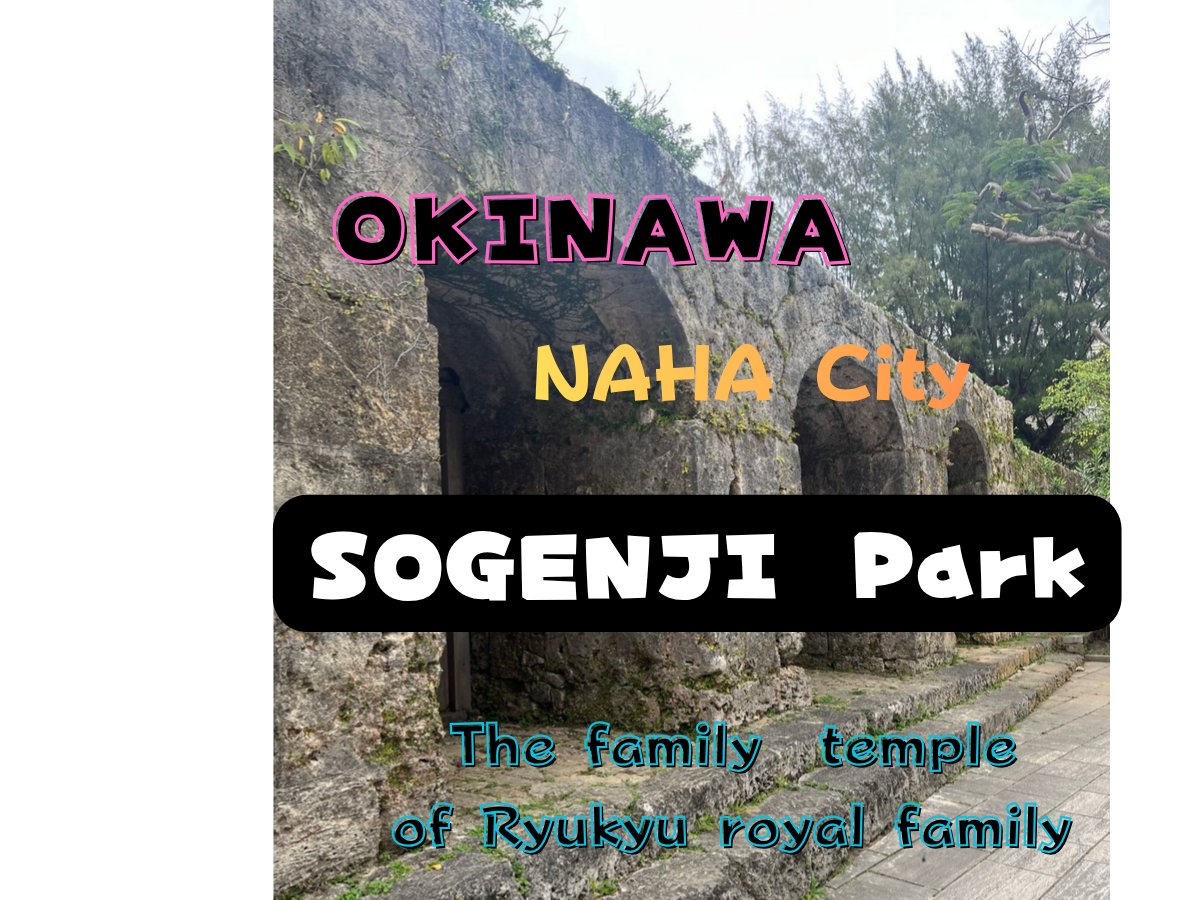
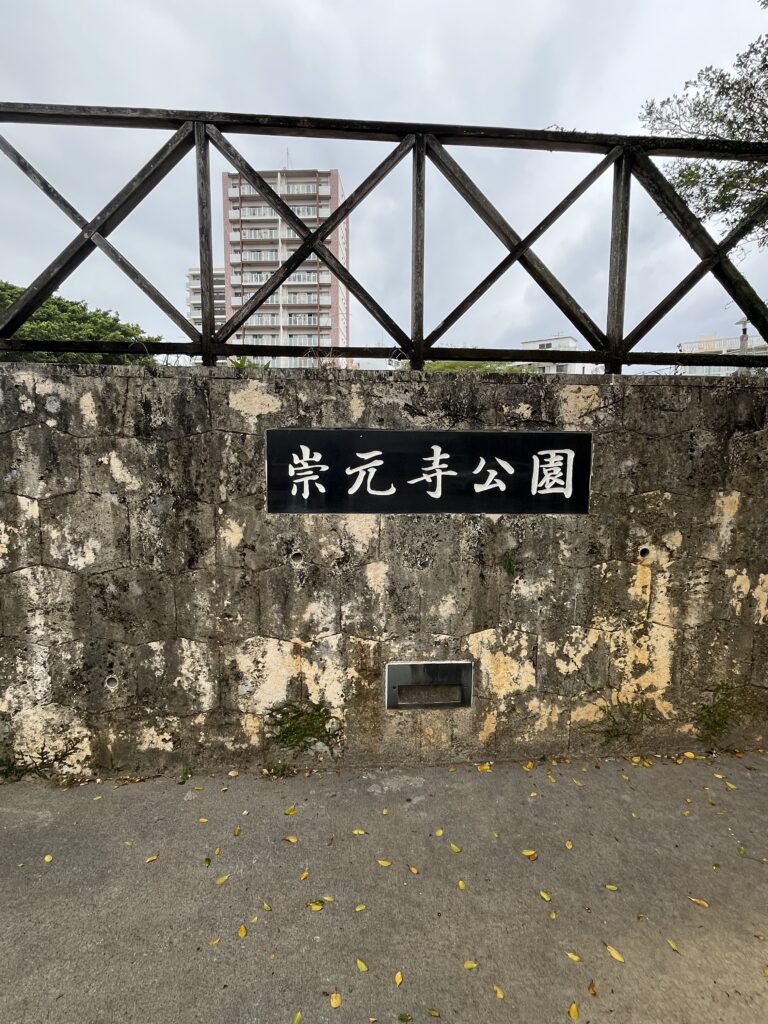
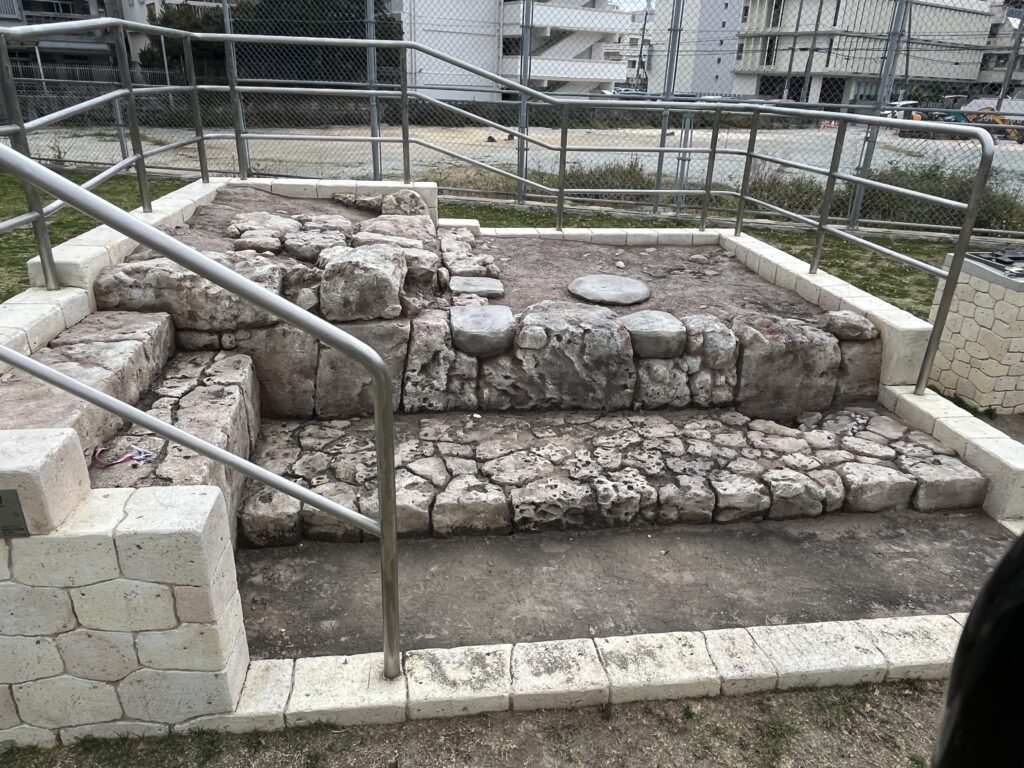
I recently visited Sogenji Park, located just a 10-minute walk from my accommodation. This site was once the site of Sogenji Temple, the family temple of the Ryukyu Kingdom’s royalty.
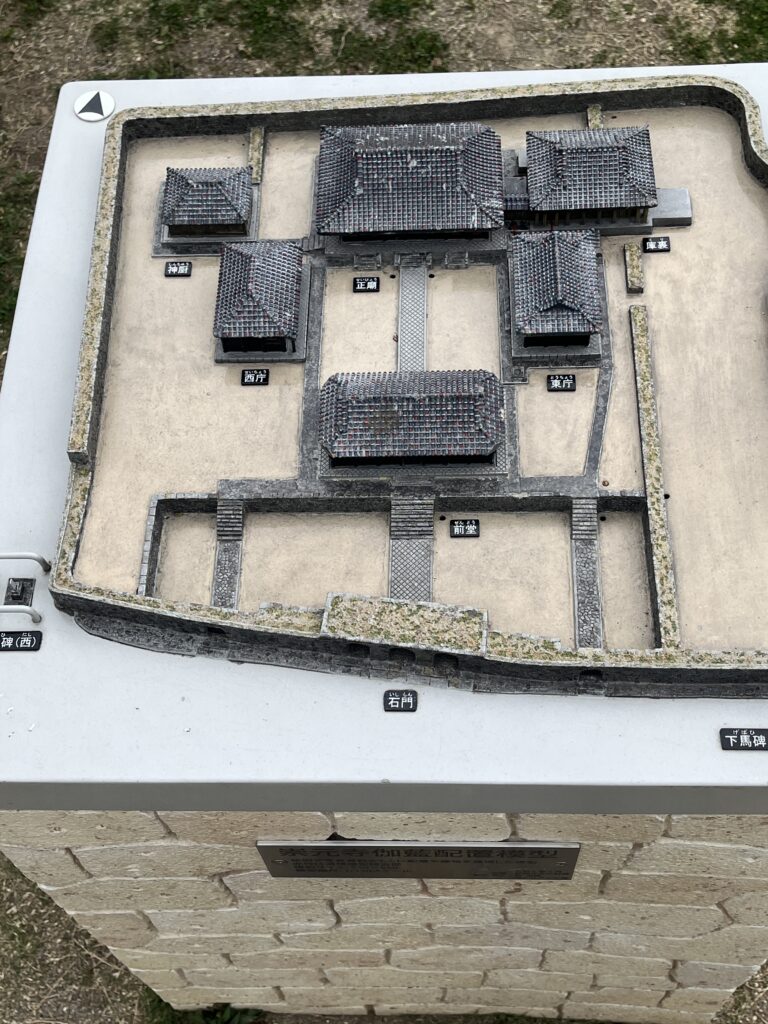
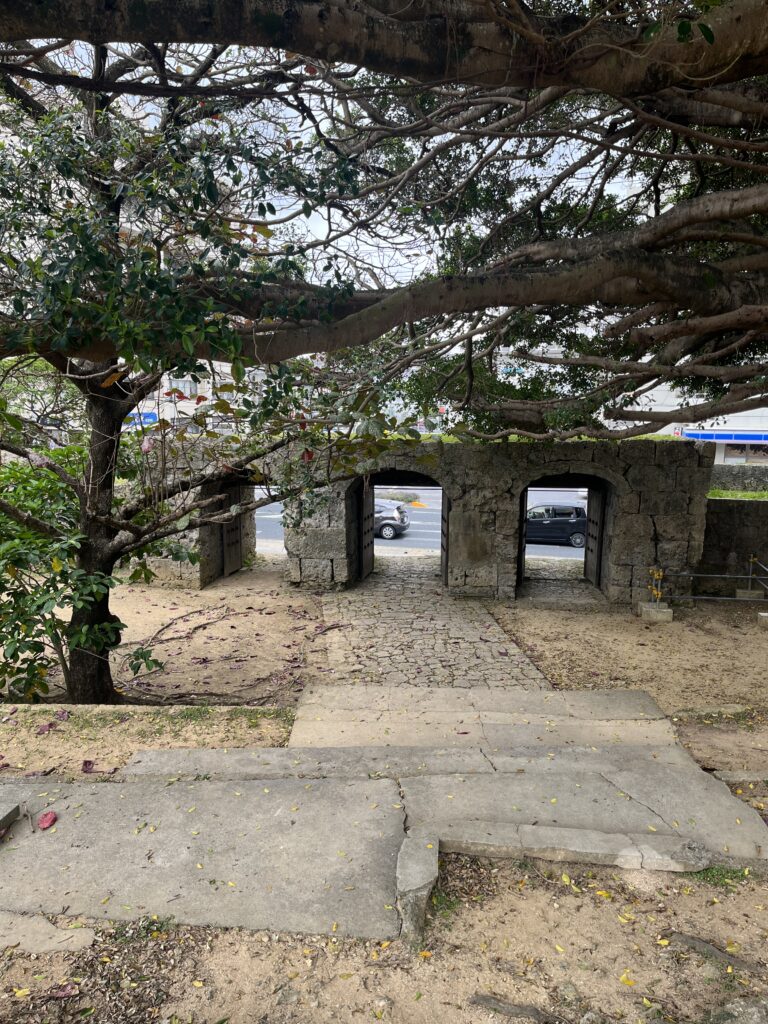
Located in Naha City, Okinawa, Sogenji was a temple of the highest prestige—even more revered than the “Eight Shrines of Ryukyu.” It was the spiritual heart of the royal family. While the original buildings were tragically destroyed during the Battle of Okinawa, the stunning stone gates (designated as a National Important Cultural Property) remain, carrying a deep and profound history.
The History of Sogenji
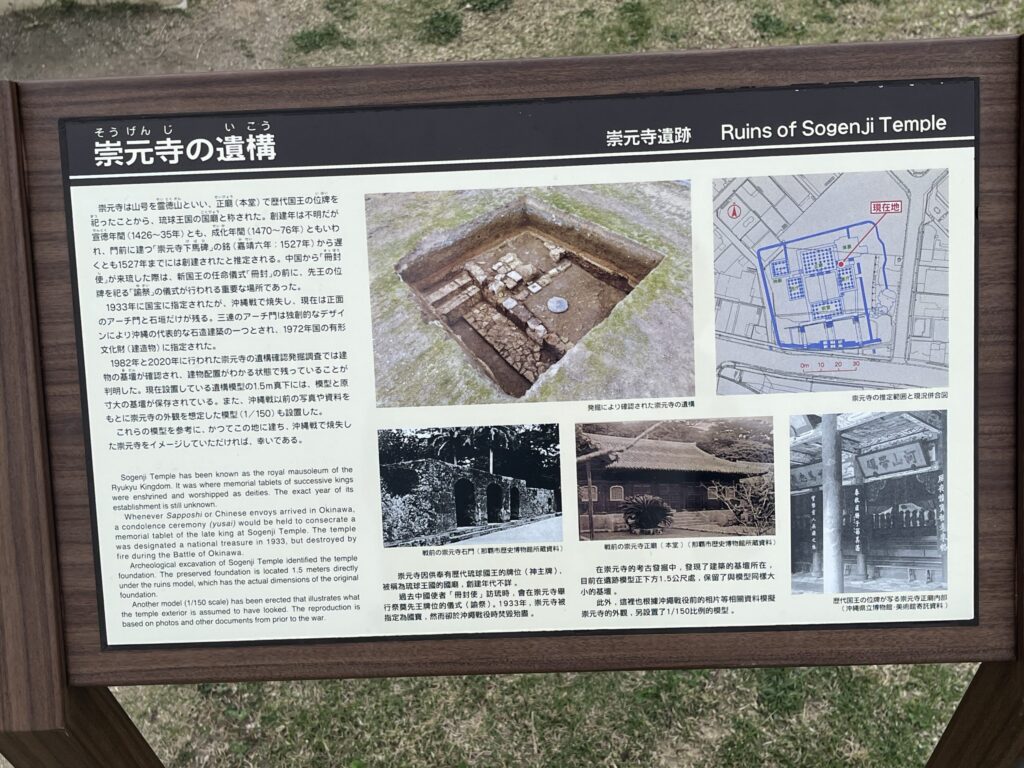
Sogenji is said to have been established as a Rinzai Zen temple during the reign of King Sho Shin (1477–1526).
- Origins: It was founded by King Sho Shin—who led the Ryukyu Kingdom into its golden age—to honor his father, King Sho En (the founder of the Second Sho Dynasty).
- Royal Family Temple: From then on, it served as the royal mausoleum where the Ugui (sacred portraits of successive kings) were enshrined.
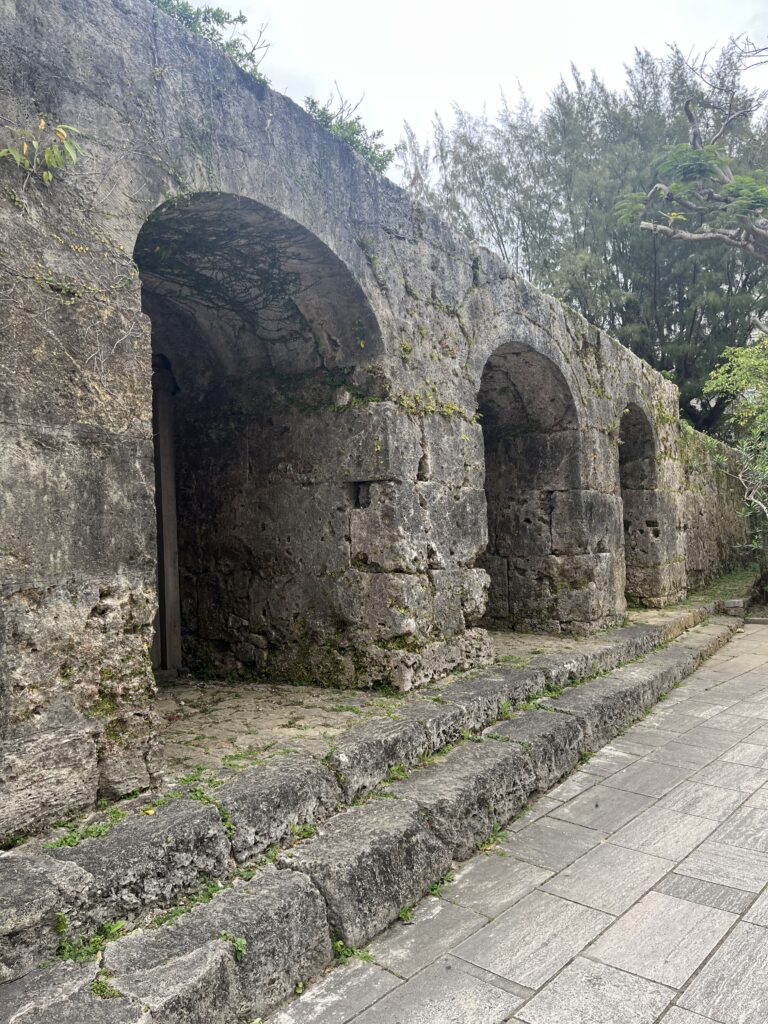
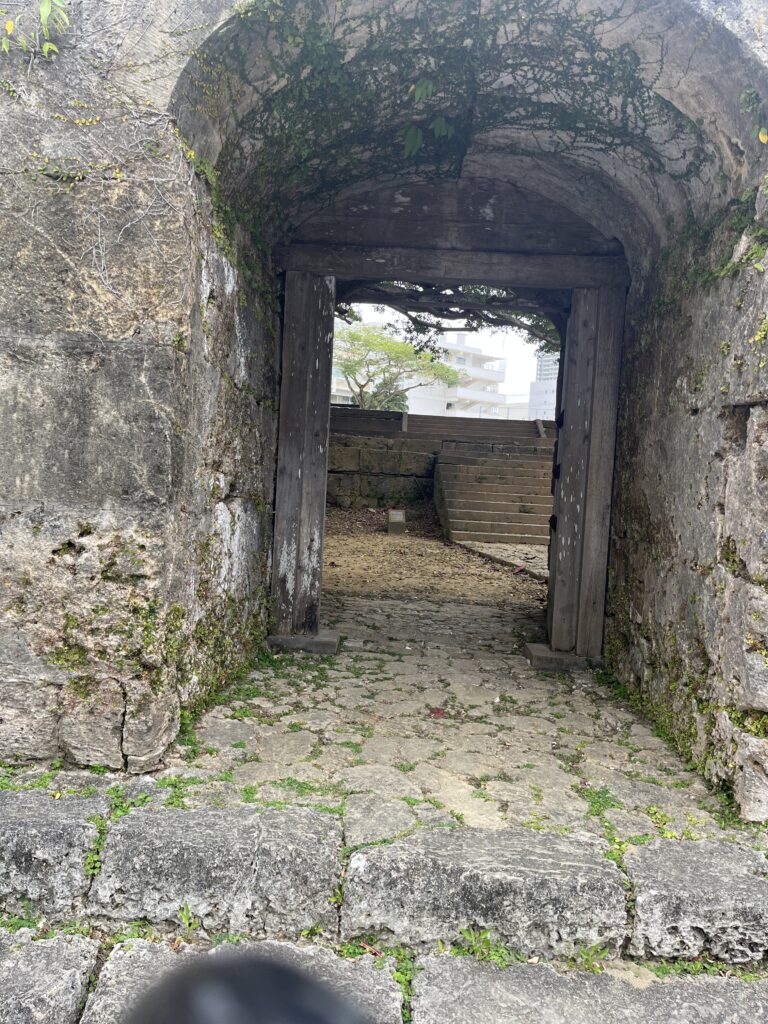
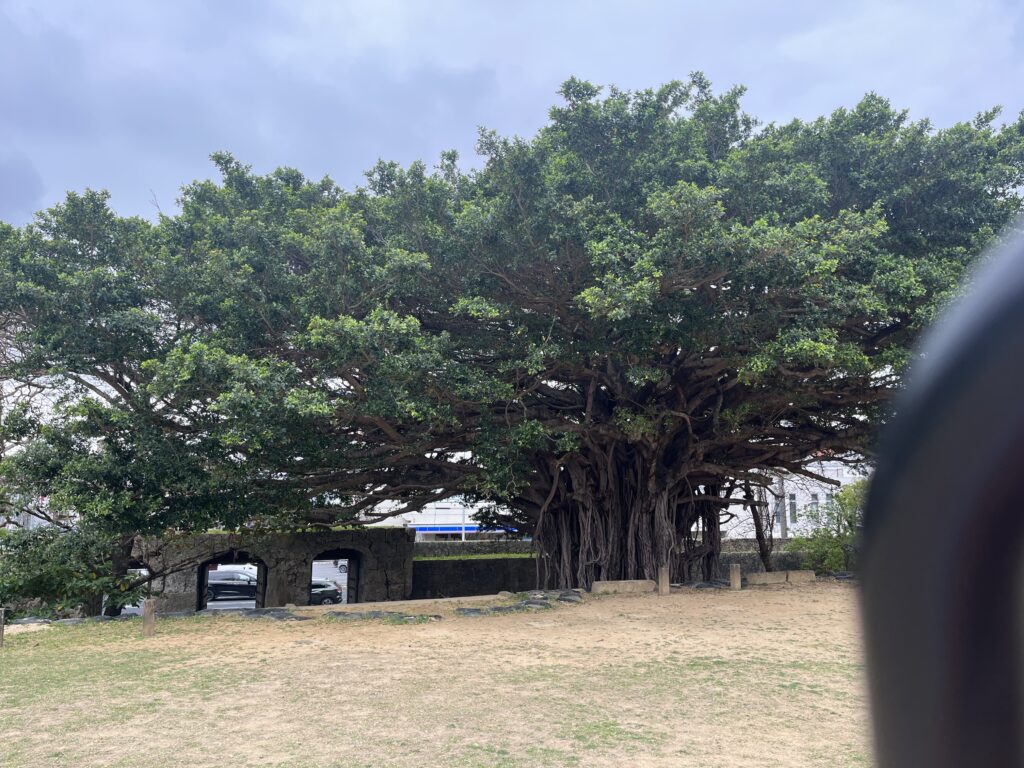
- War and the Present Day: The magnificent complex was entirely lost to fire during the Battle of Okinawa in 1945. Today, only the triple-arched stone gates and surrounding walls remain. The site has been preserved and developed as “Sogenji Park.”
Historical Significance
Sogenji was more than just a religious facility; it was a cornerstone of Ryukyuan politics and diplomacy.
1. A National Symbol of the Highest Rank While Ryukyu had eight prominent shrines known as the “Ryukyu Hassha,” Sogenji held a superior status above them all. As a “National Mausoleum,” it was a place where the King himself came to pray for the peace and prosperity of the nation.
2. A Stage for Diplomacy (The Sapposhi Envoys) The temple played a vital role in relations with China (Ming and Qing Dynasties). It was the site of the Yusai—a memorial service for the late King—conducted by the Sapposhi (investiture envoys) sent by the Chinese Emperor to recognize the new King. It was a sacred sanctuary for official diplomatic rites, symbolizing Ryukyu’s place within the Chinese tributary system.
3. The Authority of the “Geba-hi” (Dismounting Stone) Standing before the stone gate is a monument called the Geba-hi. It bears an inscription stating that “No matter how high-ranking an official may be, they must dismount their horse and proceed on foot from this point.” This serves as a testament to the immense respect commanded by the royal family at the time.
4. Architectural Beauty The surviving stone gates represent the pinnacle of unique Ryukyuan masonry. The triple-arch design is extremely rare, showcasing the advanced civil engineering of the era and a unique aesthetic that blended Chinese and Japanese influences.









Comments