
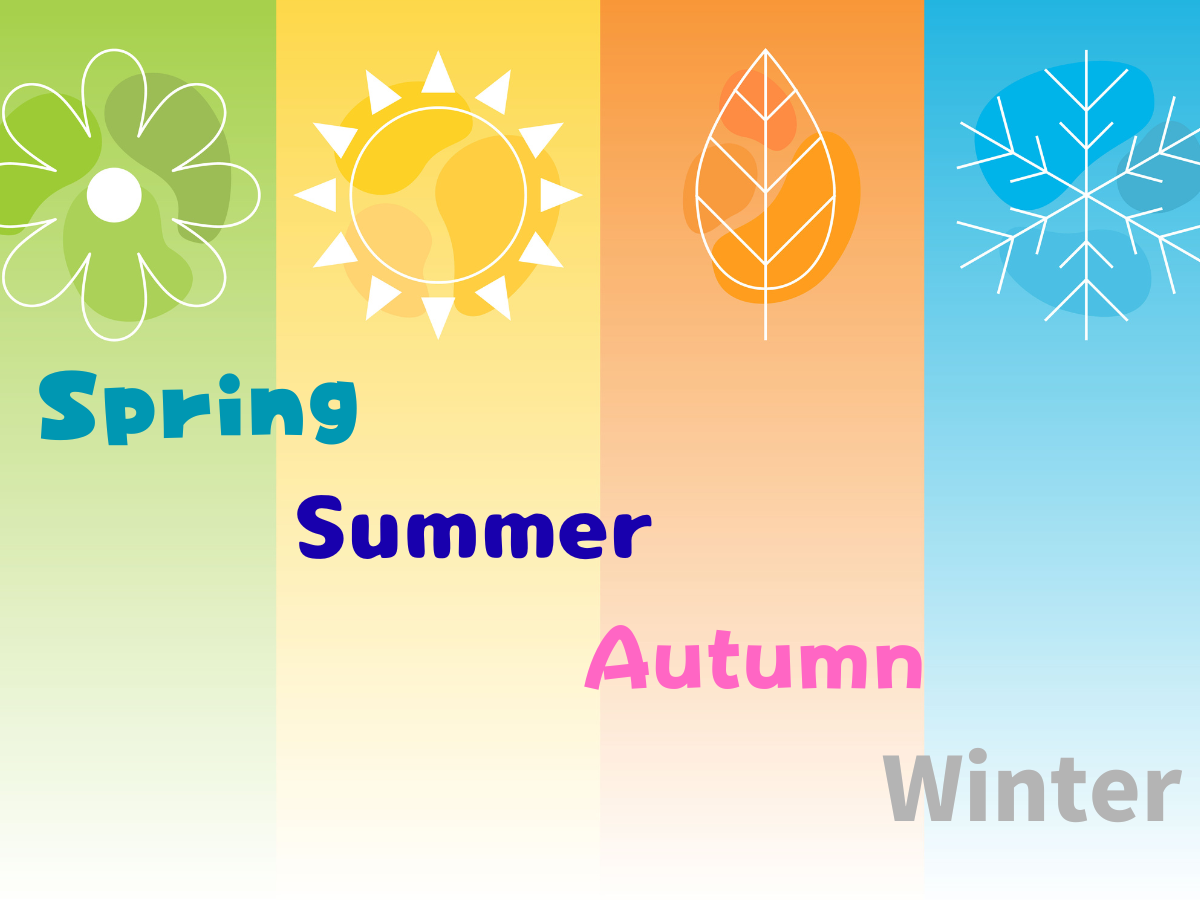
Reflections Between Two Seasons
Today, the air felt crisp, yet the sunlight was unexpectedly warm. It was the kind of day that beckons you outside for a stroll. As I walked, a word came to mind: “Niki” — a year of only two seasons.
Japan has always been a land defined by the distinct beauty of four seasons. However, the term “two seasons” feels increasingly less foreign. In many parts of the world, the year is split simply into wet and dry, or hot and cold. We may have been so accustomed to our rich seasonal transitions that we failed to notice the boundaries between them becoming blurred.
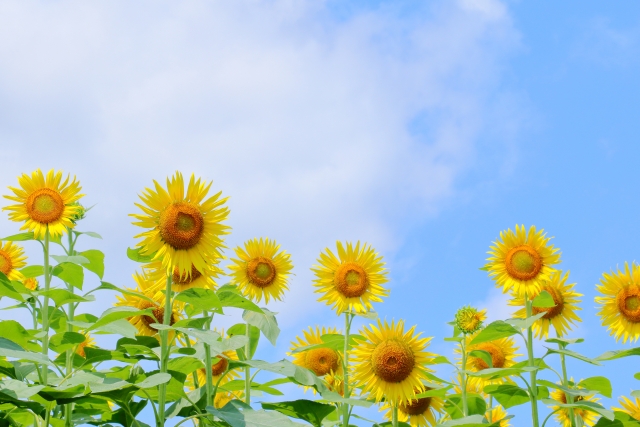
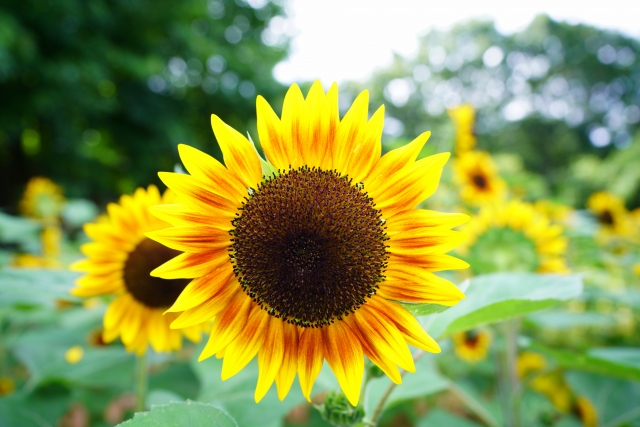
This past summer was grueling. The relentless heat felt as if it would melt everything in its path. But as soon as it finally ebbed away, the footsteps of winter were already audible. It leaves me wondering: Where have spring and autumn gone ?
The Shrinking “Margins” of Life
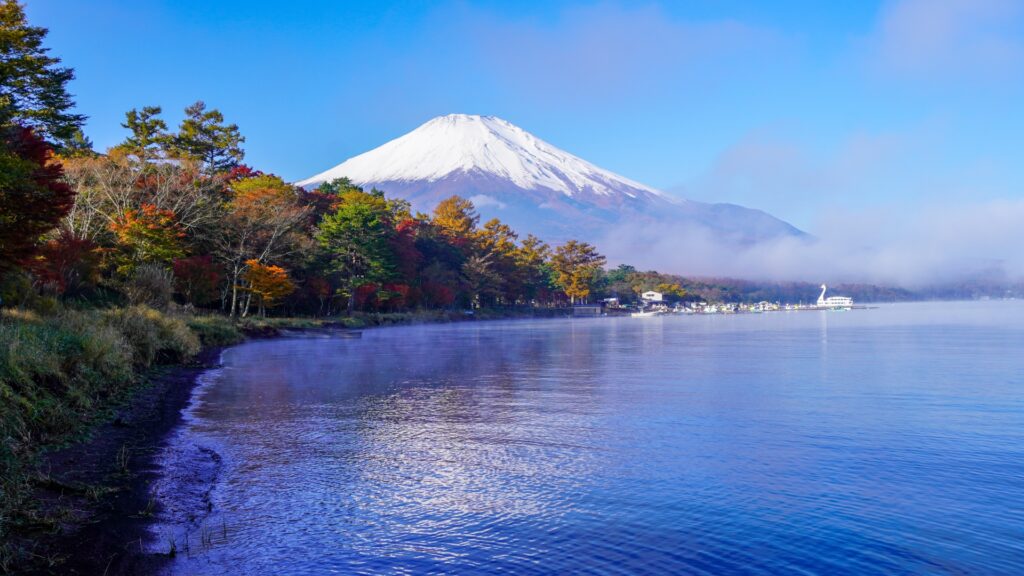
I used to think of spring and autumn as the gentle “margins” of the year. Spring is a tender time of awakening after the snow melts, while autumn is a serene period when the summer heat fades and the mountains turn crimson.
In recent years, these margins are being rapidly shaved away. Summer has become unnaturally long, only to be followed by a sudden plunge into winter. Instead of a graceful curve, the seasonal transition now feels like a sharp drop on a graph.
Life in a World of Extremes
If Japan truly shifts toward a two-season system—a “Heat Season” and a “Freeze Season”—how will our lives change?
In the Heat Season, air conditioning and sun protection would be survival necessities, with outdoor life restricted to the fringes of the day. In the Freeze Season, our lives would revolve around heavy coats and heating. The climate change we are witnessing feels like a path leading straight toward this binary reality.
It is a lonely thought. To lose the quiet happiness of listening to gentle spring rain or enjoying sports under a clear autumn sky would be a profound loss for our culture and our hearts.
Cherishing the “Gradation” of Nature
Living in a country of four seasons, perhaps we need to become more sensitive to the late arrival of spring and the shortening days of autumn. To preserve this beautiful “gradation” and avoid a two-season future, we should reconsider the small actions we can take.
Whether it’s lowering the thermostat slightly, savoring seasonal ingredients, or simply noting the subtle shifts of nature in a diary—these acts are ways to cherish the vanishing margins of our world.
I hope that the next arrival of spring will be a gentle one.








コメント