Introduction
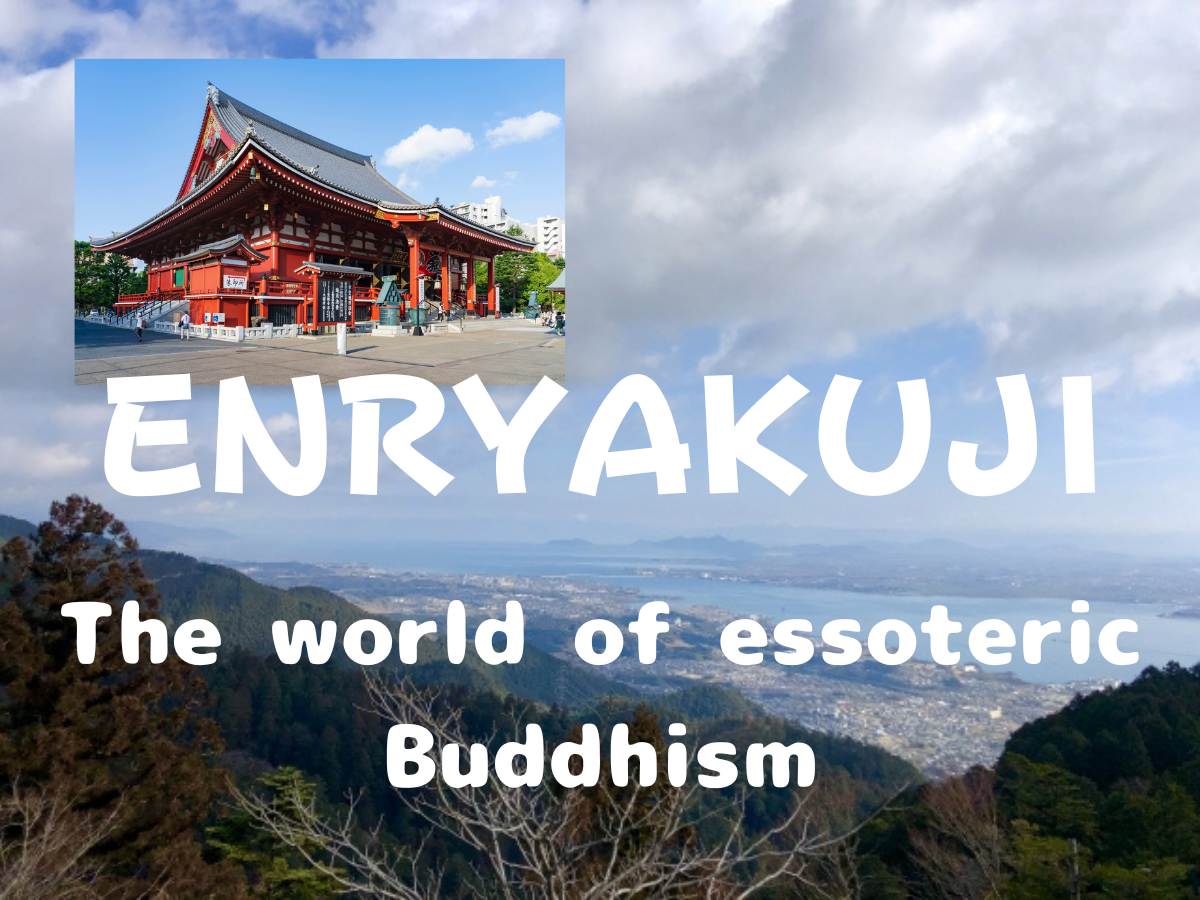
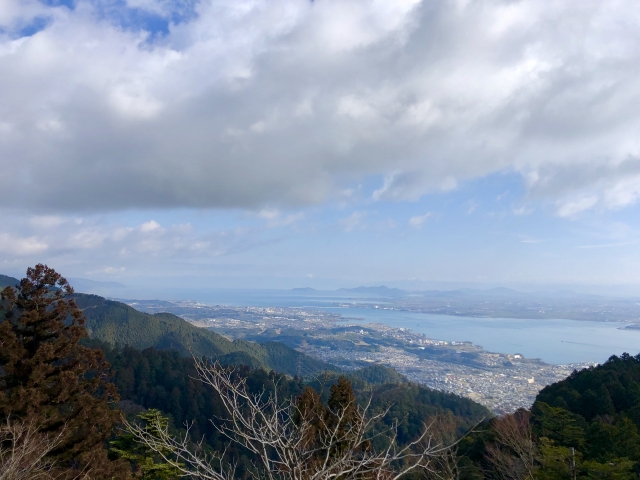
Located on the serene slopes of Mt. Hiei, overlooking the beautiful Lake Biwa and the city of Kyoto, lies Enryakuji Temple. As a UNESCO World Heritage site and the headquarters of the Tendai sect of Buddhism, this temple complex is more than just a tourist destination—it is a spiritual sanctuary with over 1,200 years of history.
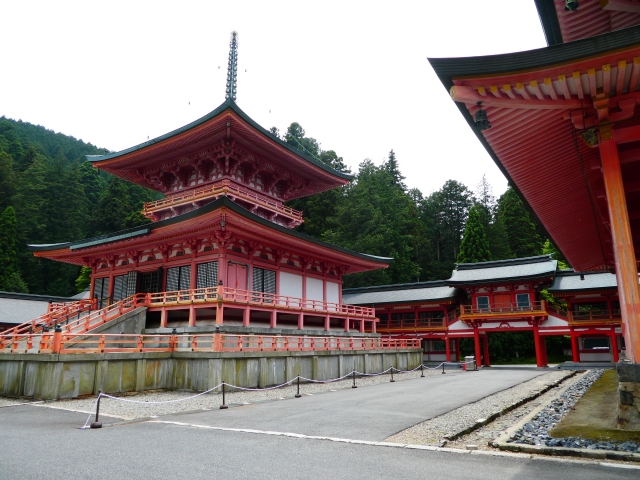
The Three Areas of Enryakuji Enryakuji is vast, divided into three main sections: Todo (East Pagoda), Saito (West Pagoda), and Yokawa.
- Todo: The heart of Enryakuji. Here you will find the Konpon Chudo, the main hall where the “Inextinguishable Dharma Lamp” has burned for more than 1,200 years.
- Saito: A quieter, forested area featuring the oldest building on the mountain, the Shakado. The atmosphere here is deeply meditative.
- Yokawa: Located further away, this area offers a peaceful retreat with a unique architectural style that feels tucked away from the world.
The Experience:Stepping into Another World
Walking through the towering cedar trees and moss-covered paths of Mt. Hiei, you can feel the weight of history. The air is crisp, and the sound of distant temple bells adds to the mystical ambiance. Whether you are interested in Buddhist philosophy or simply seeking a break from the hustle and bustle of Kyoto, Enryakuji offers a profound sense of peace.
How to Get There
The journey to Enryakuji is part of the adventure. Most visitors take the Eizan Cable Car and Ropeway from the Kyoto side or the Sakamoto Cable Railway (the longest cable car in Japan) from the Shiga side. Both routes offer breathtaking panoramic views.
Note for Winter Travelers: Please be aware that the Eizan Cable Car and Bus routes from the Kyoto side are usually suspended during the winter season (from early January to late March). During this period, the temple is only accessible via the Sakamoto Cable Railway from the Shiga side, which operates year-round.
Conclusion
Enryakuji Temple is a place where nature and spirituality coexist in perfect harmony. It is a must-visit for anyone traveling to the Kansai region who wants to experience the deep roots of Japanese culture and the quiet beauty of a mountain retreat.








コメント