[Introduction]
On a surprisingly warm winter afternoon under a crisp blue sky, I decided to take a walk through one of Tokyo’s most historic neighborhoods: Kanda. This area is a fascinating crossroads of Japanese history, where Shinto, Confucianism, and Orthodox Christianity stand side-by-side. For fellow “silver travelers” or anyone seeking a gentle yet deep cultural experience, this 3-hour route is an absolute gem.
[Starting the Journey: Crossing the Kanda River]
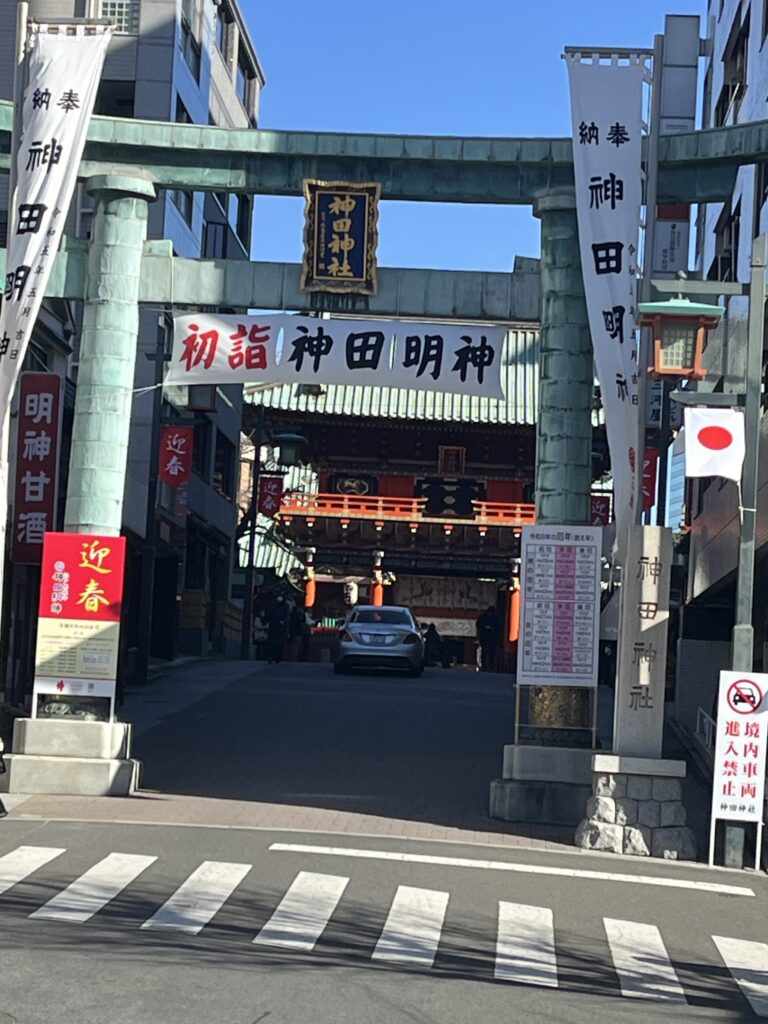
While there are many ways to reach Kanda Myojin (via Akihabara or Ochanomizu stations), I began my walk from Suehirocho Station on the Ginza Line. After finishing some errands, I crossed the Shohei-bashi Bridge over the Kanda River. Following a gentle uphill slope for about five minutes, the grand gate of the shrine came into view.
[Kanda Myojin: The Guardian of Edo]
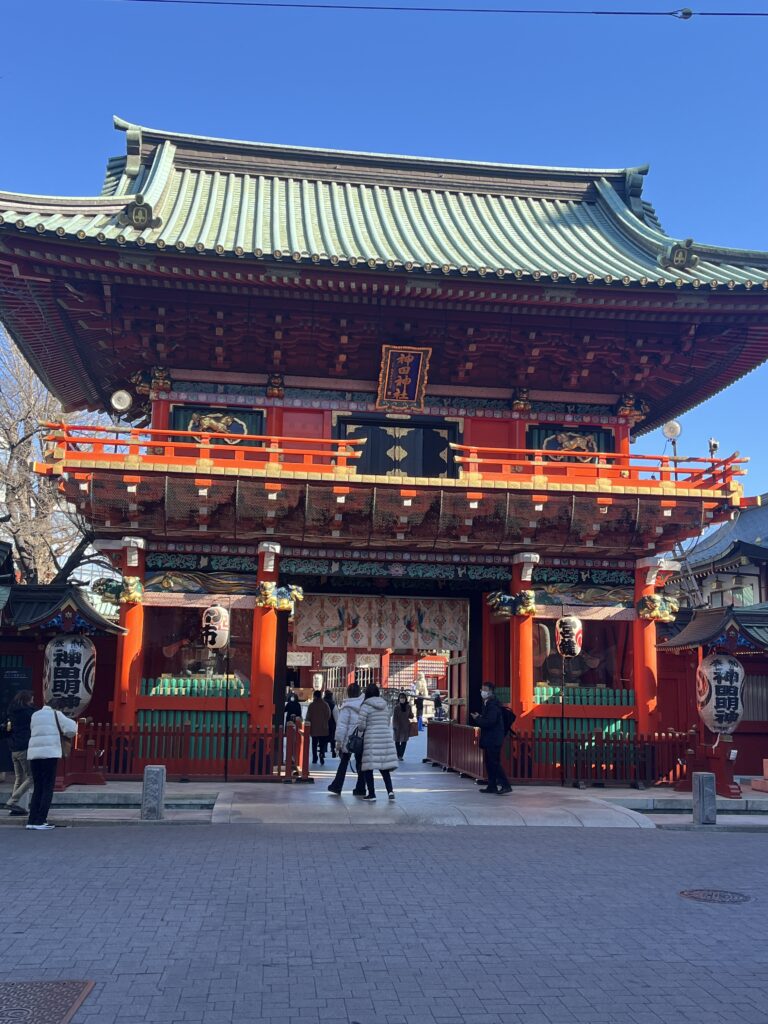
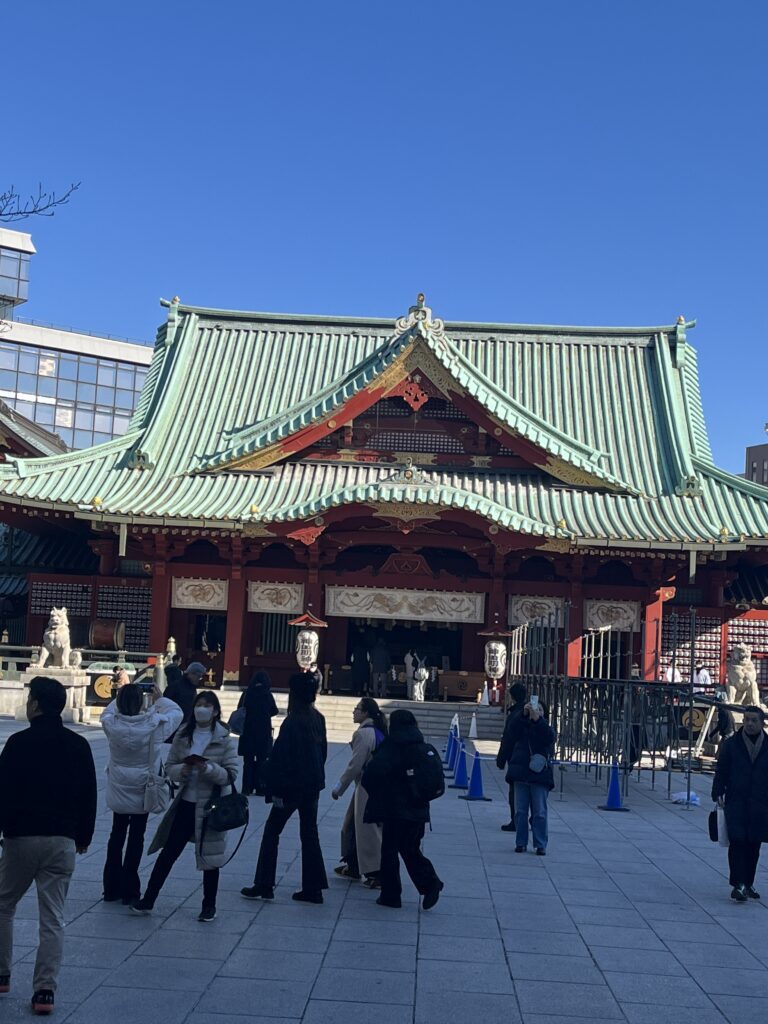
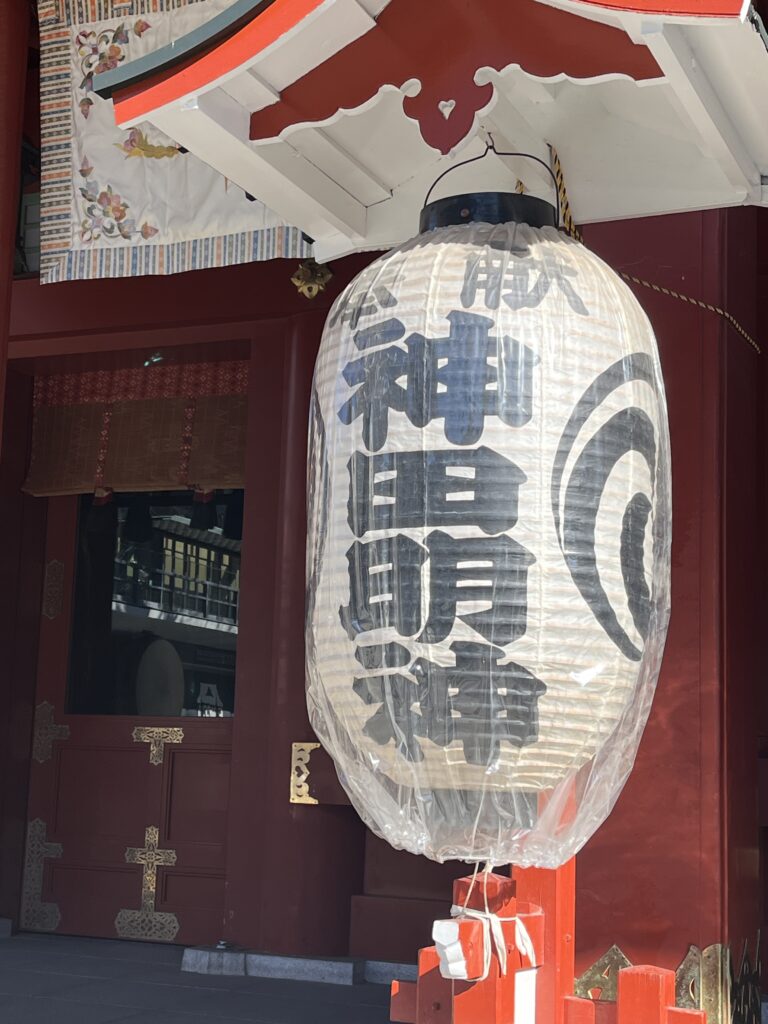
Founded in 730 AD, Kanda Myojin is the “Total Totelary Shrine of Edo.” It is famous for enshrining Taira no Masakado and being the place where Shogun Tokugawa Ieyasu prayed for victory before the Battle of Sekigahara.
Today, it is a vibrant space where tradition meets modern life. I was struck by how such a spacious and prestigious grounds are preserved in the heart of Tokyo. As the guardian of nearby Akihabara, it’s now also known for blessing IT businesses. I offered a coin and prayed for a safe and peaceful year ahead.
[Yushima Seido: A Sanctuary of Wisdom]
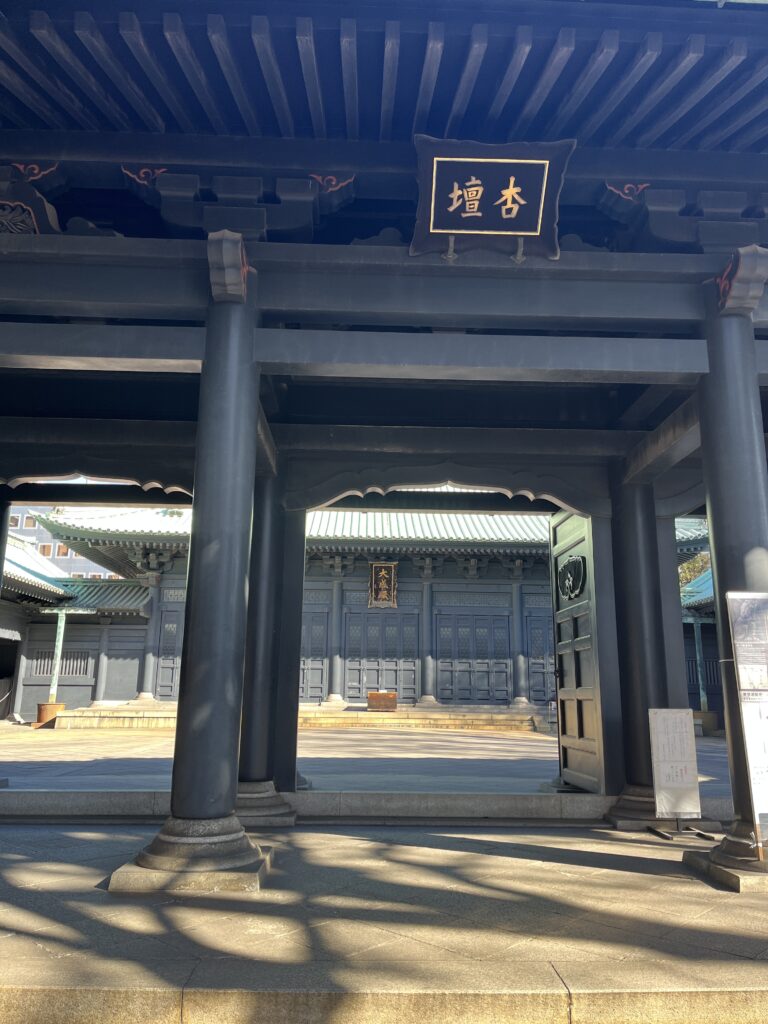
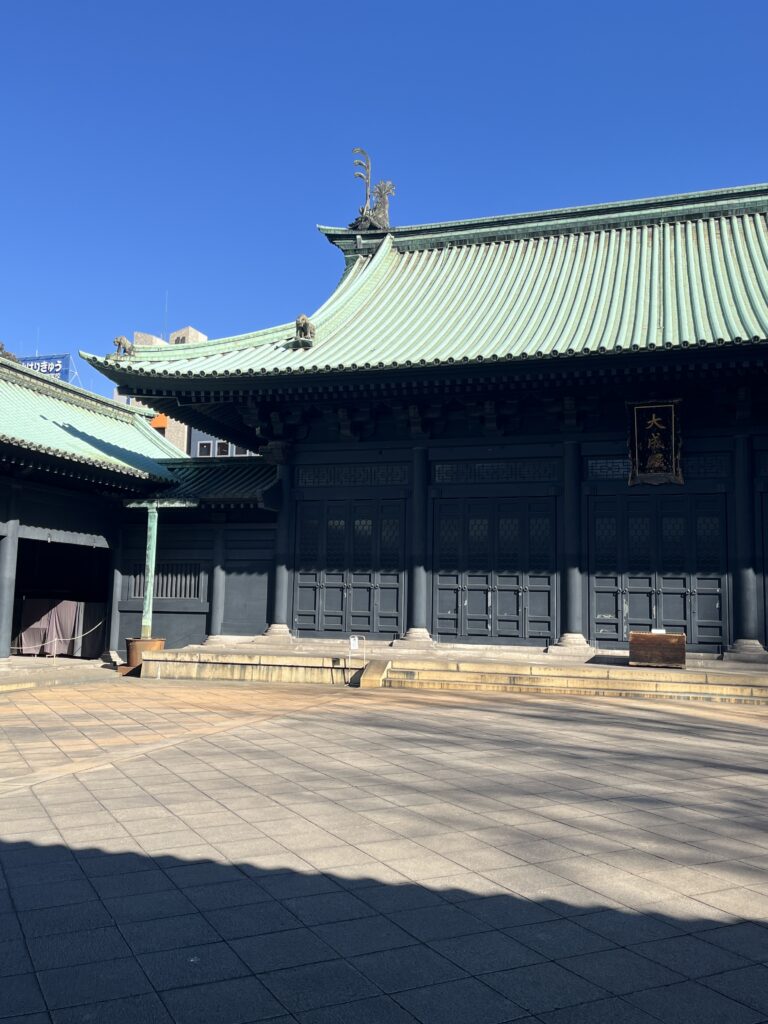
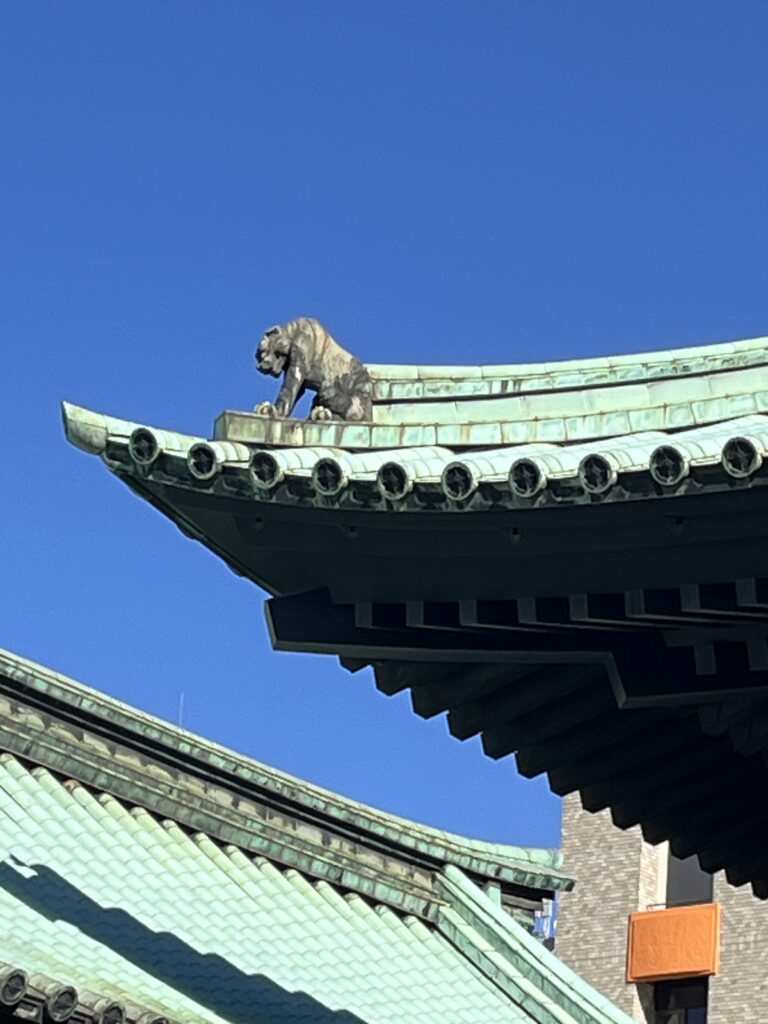
Just a 5-minute walk from the shrine’s torii gate is Yushima Seido. Crossing the road feels like stepping into a different world. Established in 1690 by Shogun Tokugawa Tsunayoshi, this Confucian temple was once the “Shoheizaka Academy,” the center of Japanese scholarship.
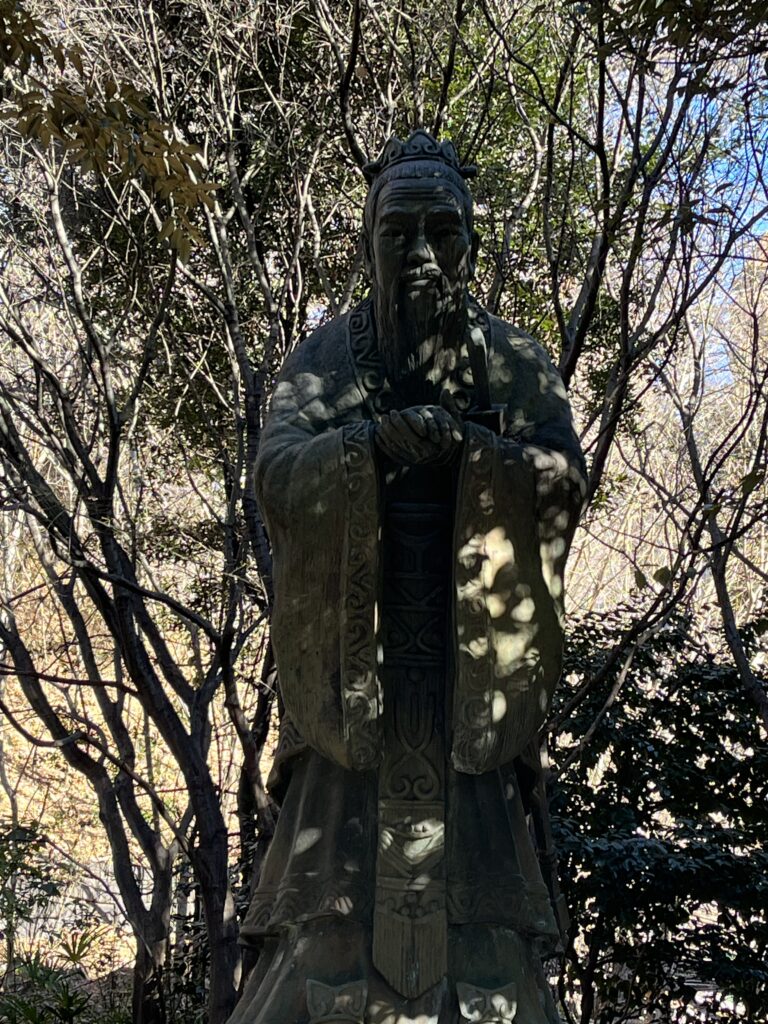
The atmosphere here is solemn and scholarly. The black-lacquered “Taiseiden” hall is breathtaking. I took the “reverse route”—entering from the side and walking down the stairs past the world’s largest bronze statue of Confucius. Walking downhill is much kinder on the knees!

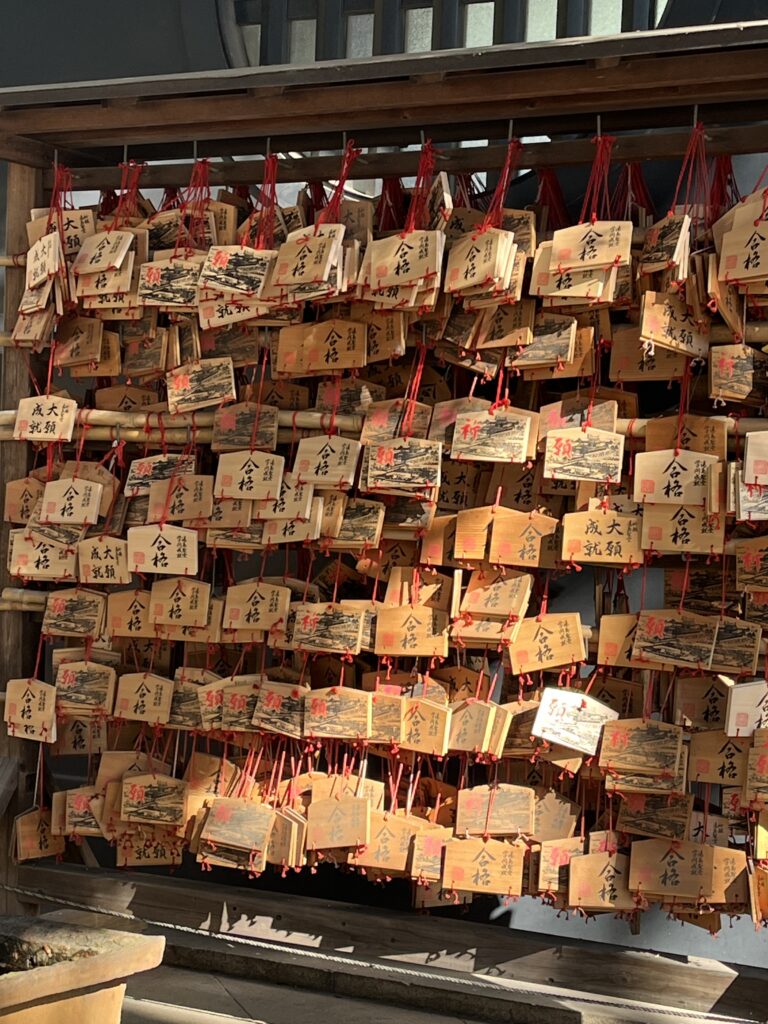
As this is the birthplace of the university, students applying for entrance exams often leave prayer plaqu
[Nikolai-do: A Byzantine Beacon]
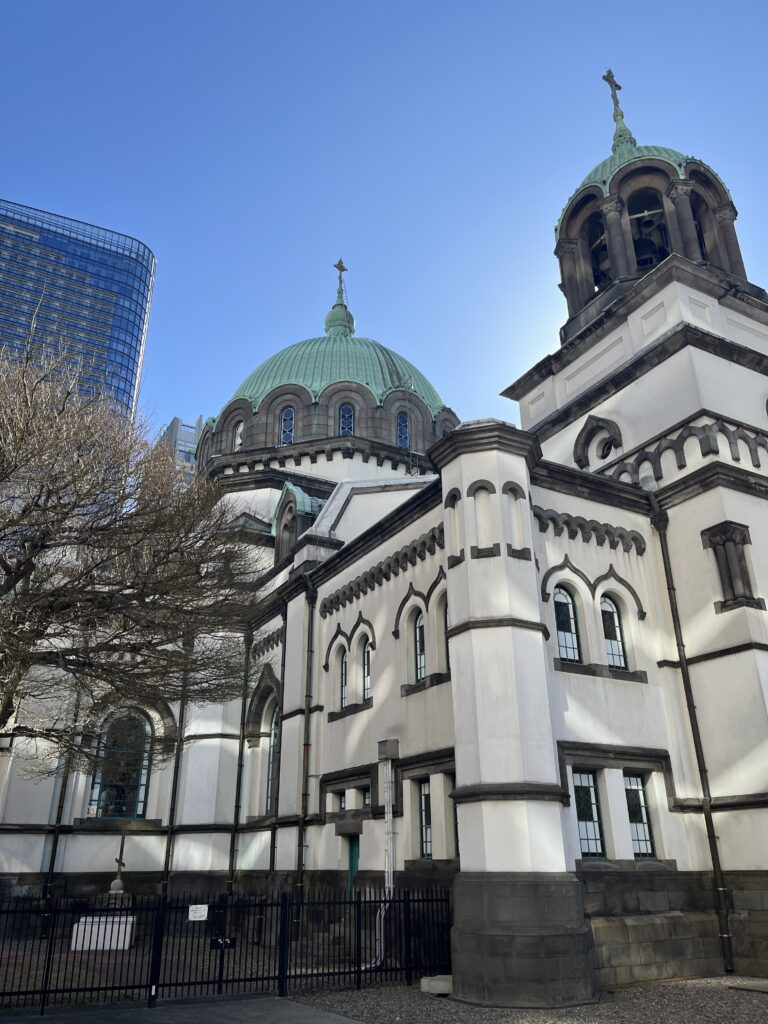
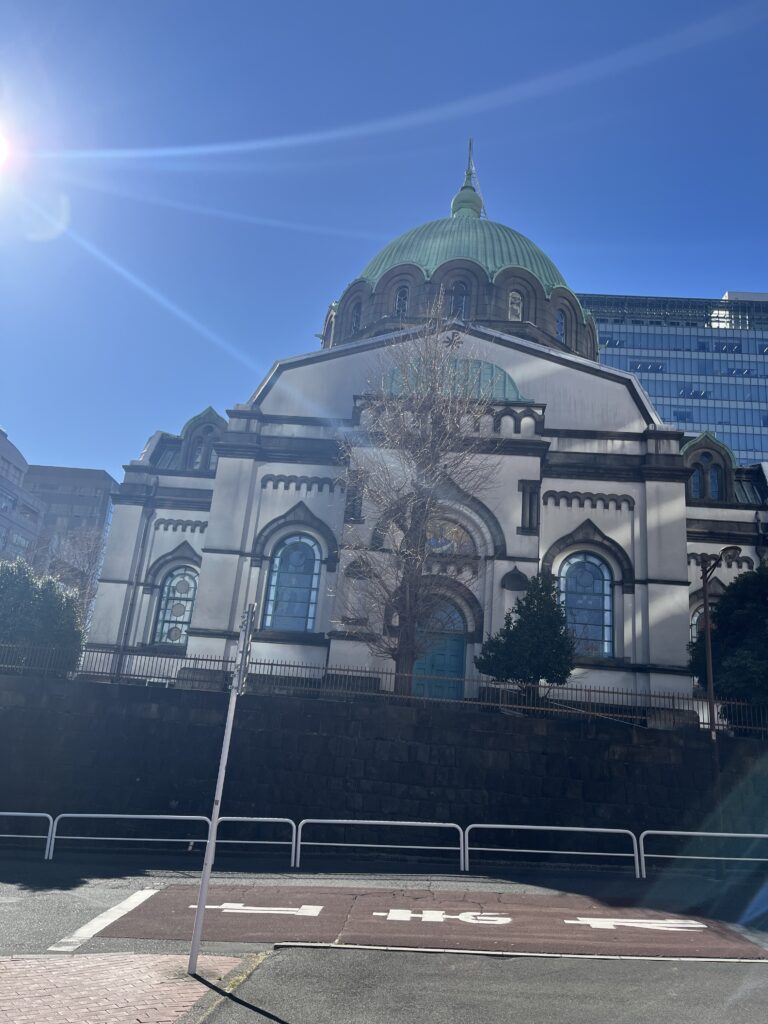
After leaving Yushima Seido, I crossed the iconic Hijiribashi Bridge. Just 100 meters past JR Ochanomizu Station stands the Holy Resurrection Cathedral, popularly known as Nikolai-do.
Completed in 1891 and later restored by Japanese architect Shinichiro Okada after the Great Kanto Earthquake, it is a masterpiece of Byzantine architecture. With its iconic green dome and bells that have echoed through Kanda for over a century, it serves as a beautiful reminder of Japan’s historical opening to the West.
[Conclusion]
This route—connecting Kanda Myojin, Yushima Seido, and Nikolai-do—is a perfect microcosm of Tokyo’s history from the Edo period to the Meiji era. The walk takes less than three hours at a leisurely pace, with gentle slopes that make it an ideal itinerary for seniors and slow travelers alike.
Next time you are in Tokyo, step away from the neon lights and walk through the storied streets of Kanda!






コメント