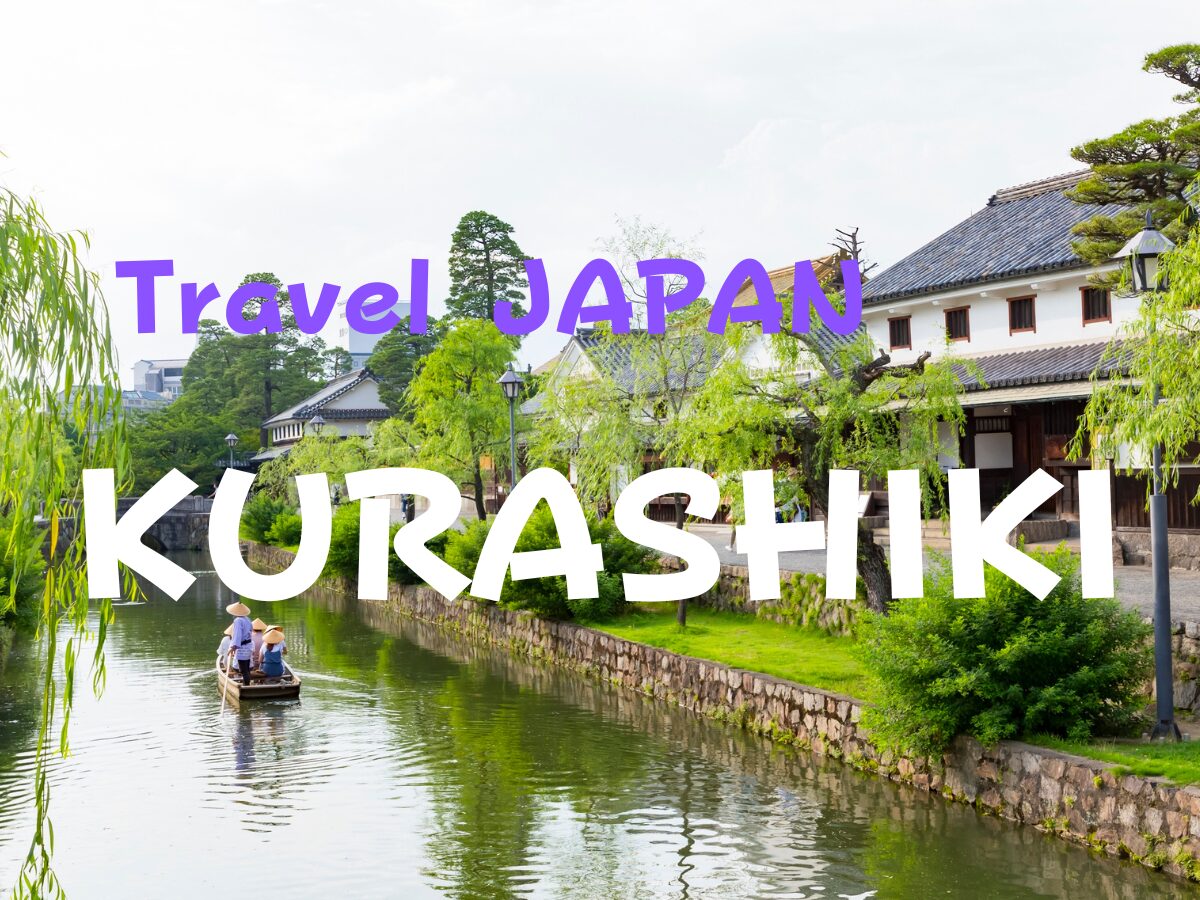
I visited Kurashiki , where my mother-in-law’s birthplace , with my wife , to pay my respects at the parents grave.
Step Back into the Edo Period
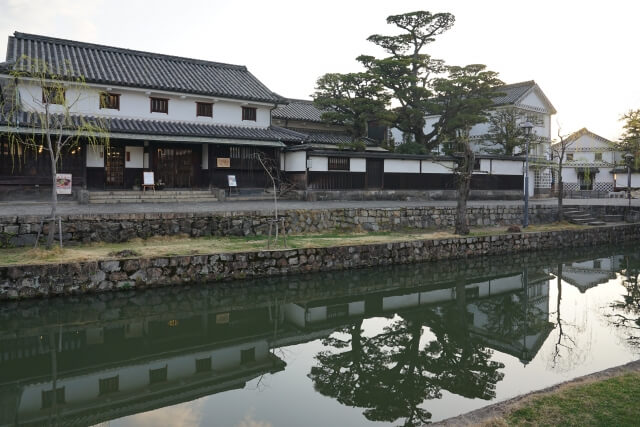
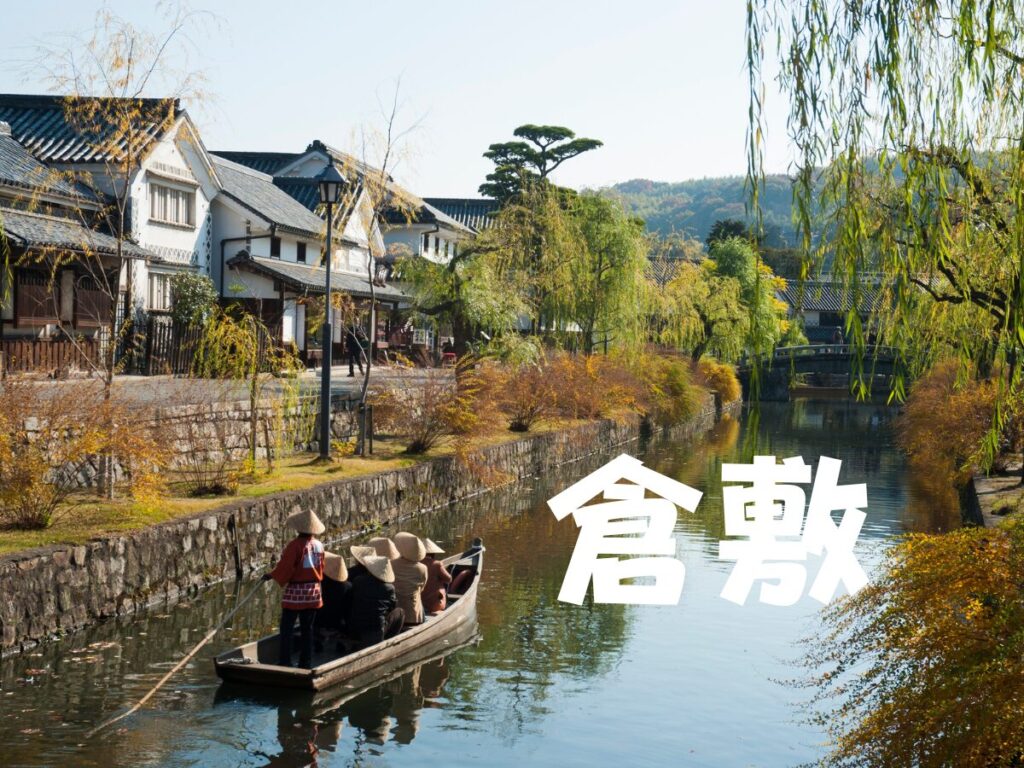
Just a short train ride from Okayama lies Kurashiki, a city that feels like a living museum. The heart of the city, the Bikan Historical Quarter, preserves the elegant atmosphere of the Edo period (1603–1867). As you stroll along the willow-lined canal, you’ll be captivated by the striking contrast of traditional white-walled storehouses (Kura) against the dark tiled roofs—a scene that has remained virtually unchanged for centuries.
A Serene Escape on the Water
To truly embrace the local pace of life, board a Kawafune (traditional river boat). As the boatman gently steers you through the calm waters of the Kurashiki River, you’ll gain a unique perspective of the historic architecture. It’s a moment of pure serenity, far removed from the neon lights and bustle of Japan’s major metropolises.
Where East Meets West: Art and Heritage
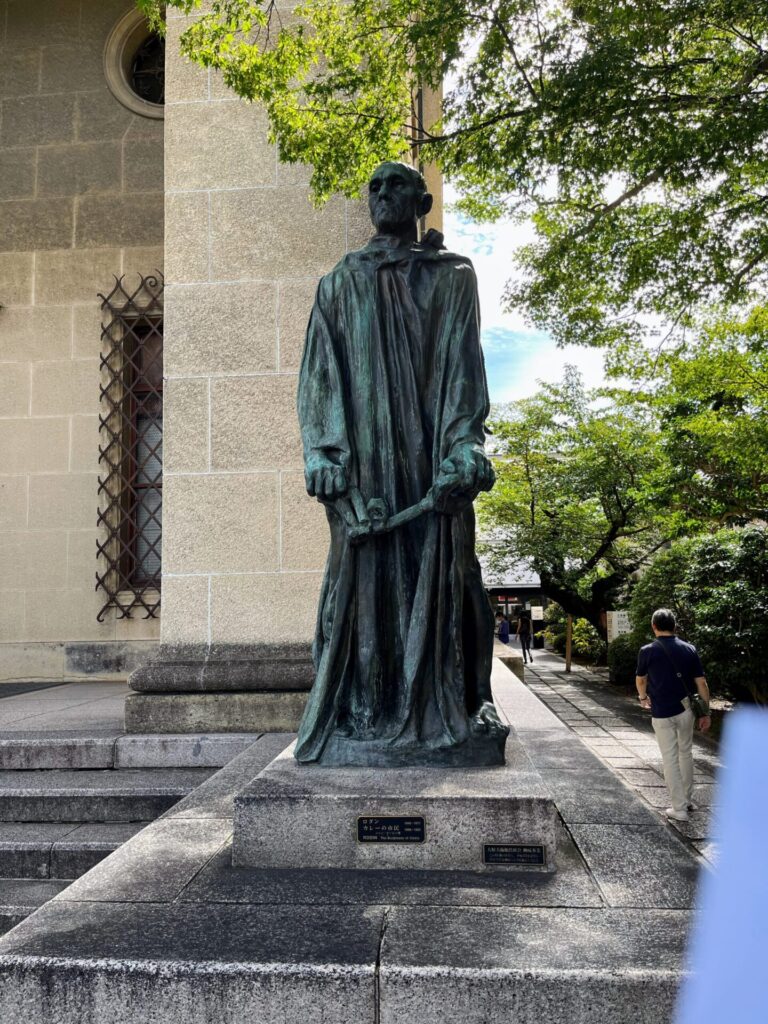
Kurashiki is not only about tradition; it is a pioneer of cultural fusion. The Ohara Museum of Art—the first private museum of Western art in Japan—houses an incredible collection ranging from El Greco and Monet to modern masters. Nearby, the red-brick walls of Kurashiki Ivy Square, a former cotton mill turned cultural complex, tell the story of Japan’s industrial revolution, blending European aesthetics with Japanese hospitality.
Among the museum’s spectacular collection of masterpieces, here are two of its most renowned works:
Claude Monet: “Water Lilies”
While Monet is world-famous for his series of Water Lilies, the specific painting exhibited at the Ohara Museum of Art is said to have been a personal favorite of the artist himself.
El Greco: “Annunciation”
This masterpiece depicts the moment the Virgin Mary is told by an angel that she will conceive Christ. It is considered one of his greatest achievements. Interestingly, “El Greco” is not his real name; it reflects his origins. “Greco” means “The Greek,” a nickname given to him during his time in Italy because he was born in Crete, while “El” is the Spanish definite article from the country where he later spent his career as a painter.
The Birthplace of Japanese Denim
For those seeking “authentic Japan,” a visit to the Denim Street is a must. Kurashiki’s Kojima district is the world-renowned birthplace of Japanese domestic denim. Here, you can find artisanal, high-quality indigo products that are a testament to the region’s Takumi (craftsmanship). From bespoke jeans to unique denim-flavored snacks, it’s a paradise for lovers of craft and style.
An Evening Glow
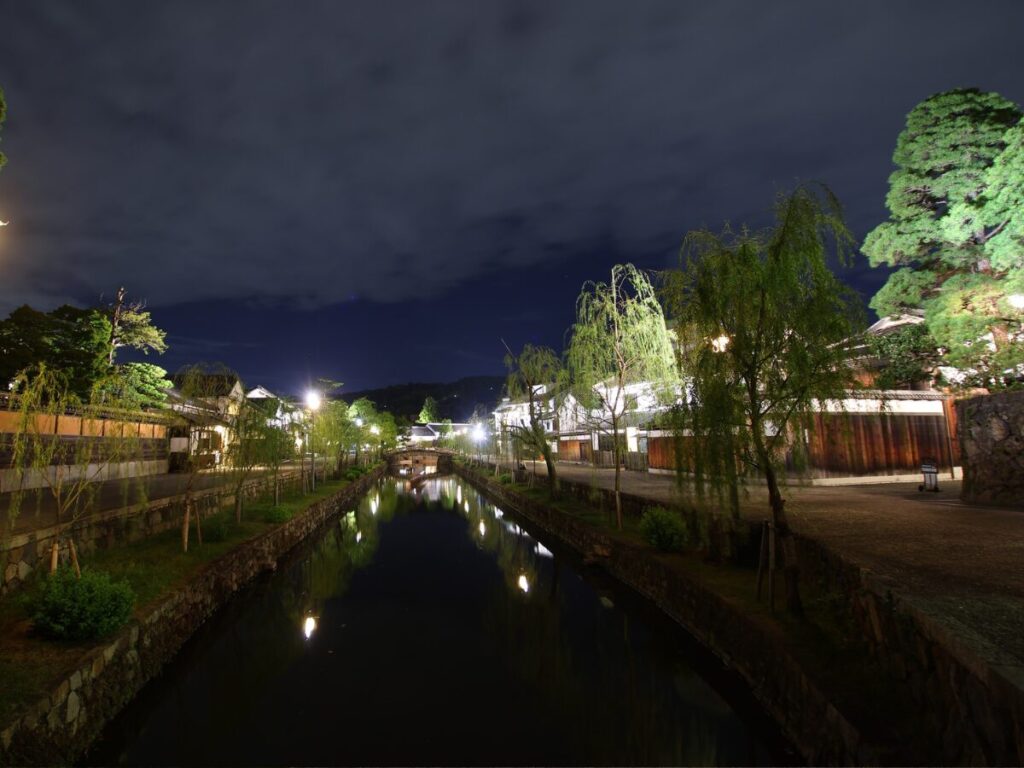
As the sun sets, the Bikan District undergoes a magical transformation. The gentle illumination of the gas-style lamps reflects off the water, creating a romantic and nostalgic ambiance. Enjoy a quiet dinner featuring local delicacies from the Seto Inland Sea, and let the timeless beauty of Kurashiki linger in your heart.



コメント